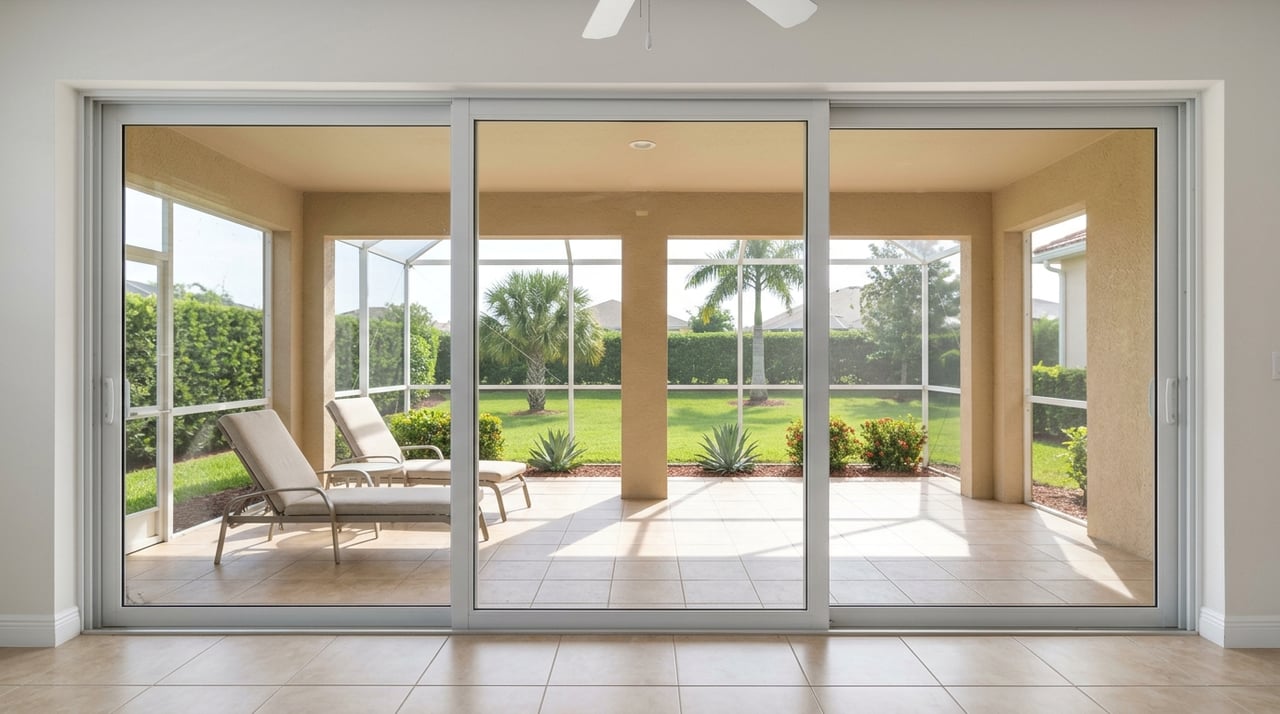
Key Considerations When Buying a Second Home in PGA Village
April 16, 2026
April 16, 2026
Thinking about a second home in PGA Village? It can be an appealing option if you want a seasonal getaway, a golf-centered lifestyle, or a low-maintenance place in Port St. Lucie. But before you buy, it is important to look past the home itself and understand the rules, fees, taxes, and insurance details that can shape your experience and long-term costs. Let’s dive in.
PGA Village is not a single, one-size-fits-all community. According to the PGA Village community information, it includes more than 2,500 properties across 34 subdivisions, with three gated entrances staffed 24/7.
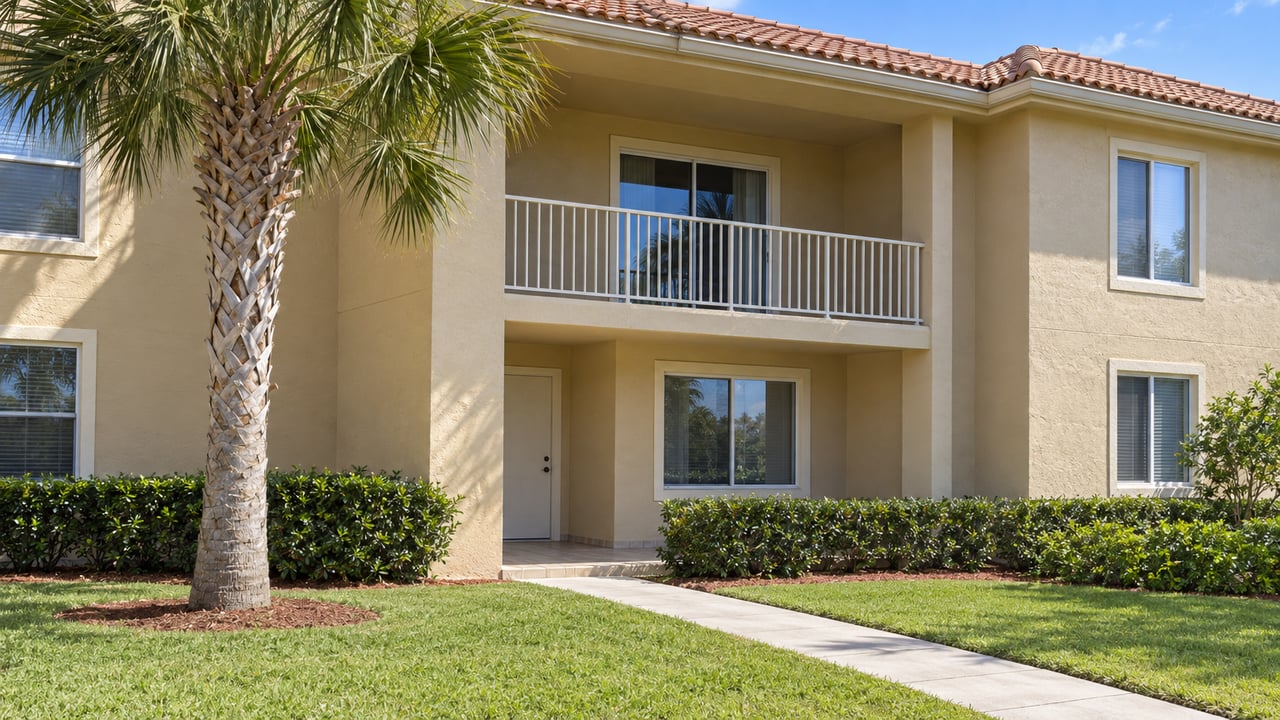
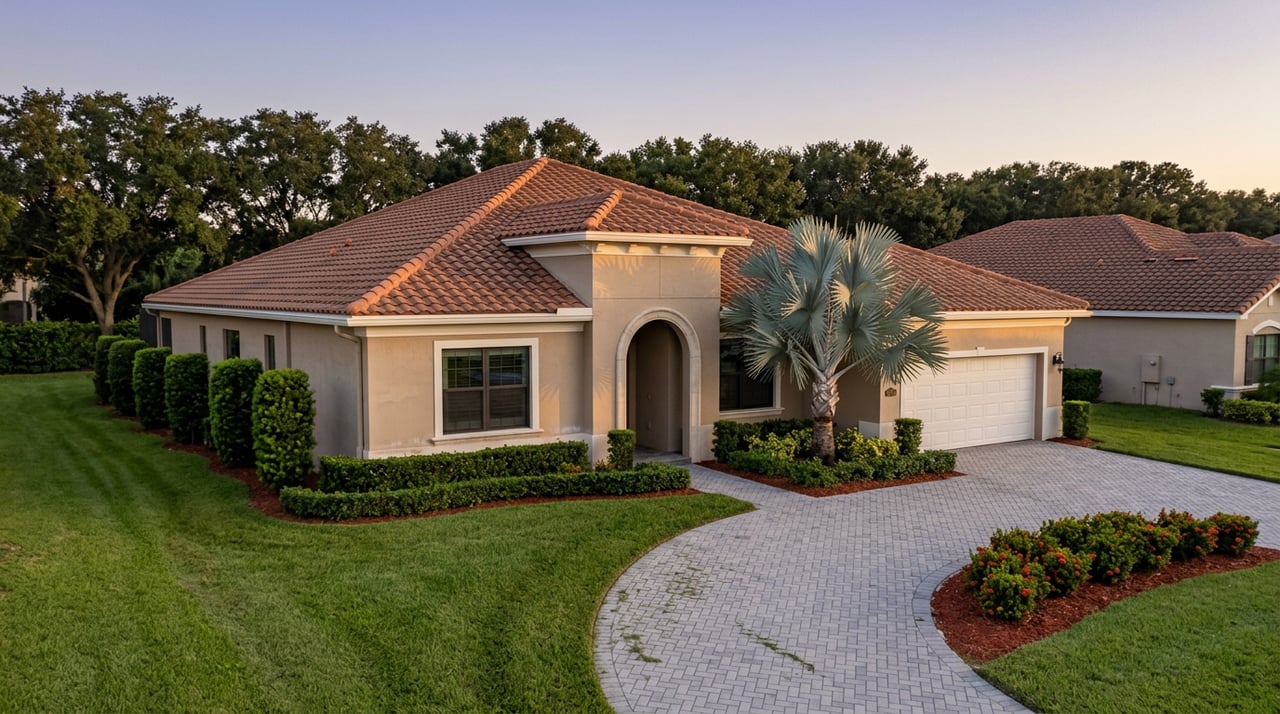
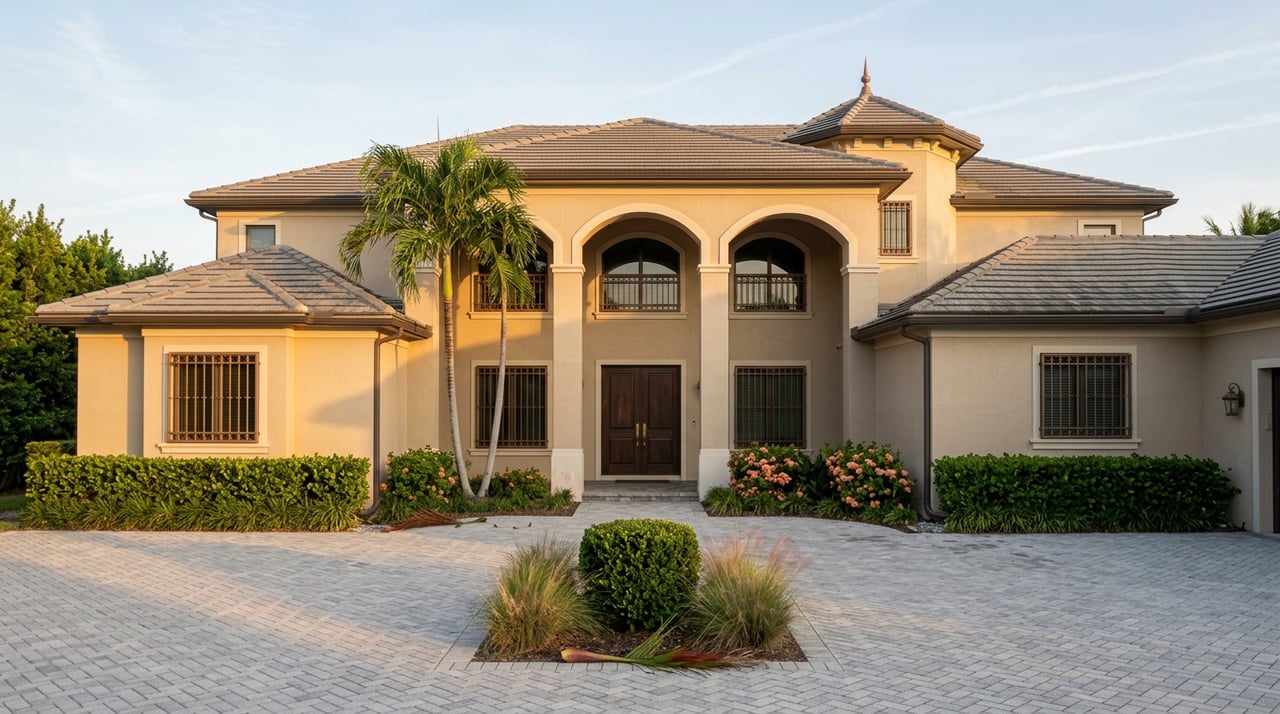
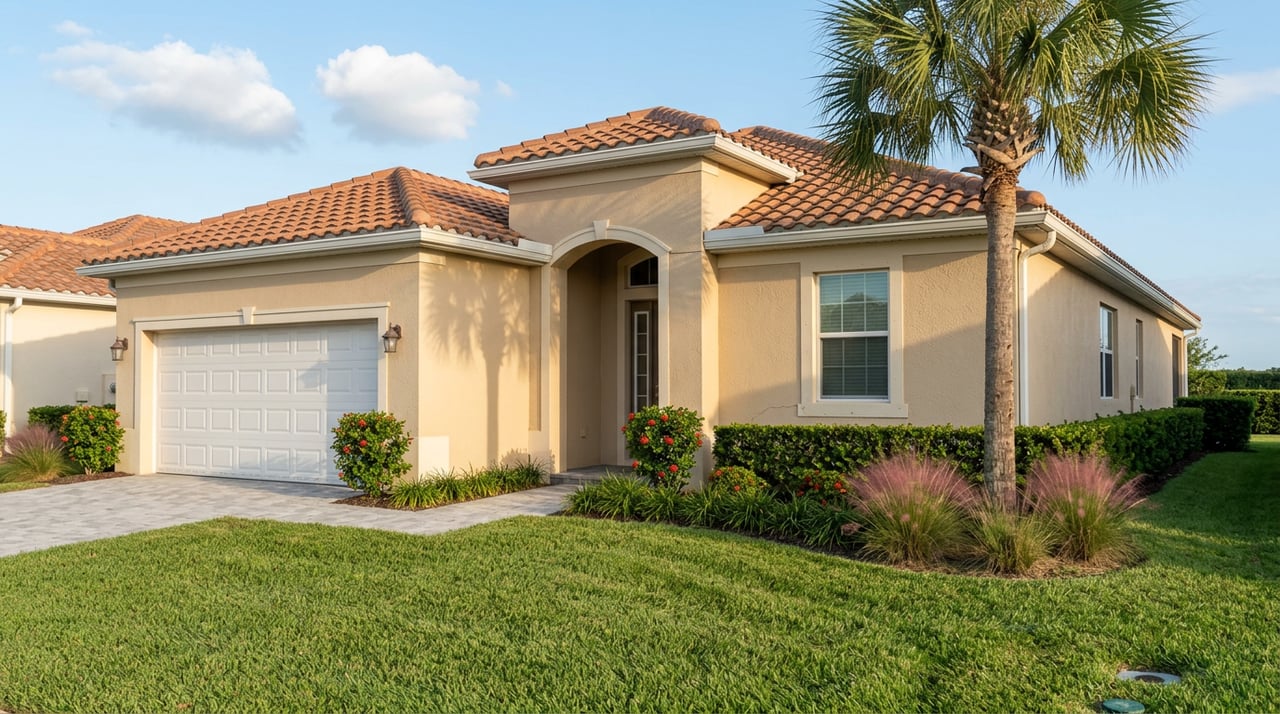
That scale gives you a wide range of housing choices, including condominiums, townhomes, villas, single-family homes, and estate homes. It also means your ownership experience can vary depending on which neighborhood you choose.
If you are buying a second home, the property type matters. Smaller condos and townhomes may appeal to buyers who want a more lock-and-leave setup, while villas and single-family homes may offer more privacy or space for longer stays.
The community’s own description notes that smaller condominiums and townhomes can be a fit for couples or seasonal golfers, and that owners include both full-time and seasonal residents. That can be helpful if your goal is part-time use rather than year-round living.
One of the biggest things second-home buyers need to know is that PGA Village has layered governance. The master association explains that some neighborhoods have their own sub-associations with separate management, while others are governed directly by the POA.
In practical terms, you should not assume dues, rental rules, parking policies, or amenity access are the same throughout PGA Village. Those details need to be confirmed at the specific neighborhood level before you commit.
If you want the option to rent out your second home, this step is critical. Rental flexibility in PGA Village is not the same in every subdivision, and the master-association gate rules already create important limits.
According to the PGA Village Residents Handbook, renters must provide a signed lease of at least six months to receive a PGA Village T-sticker. Island Club access cards also require a lease of six months or longer.
That means if you are hoping to offset costs with short-term rentals, you need to study the rules very carefully. Even before you review a sub-association’s policies, the master-level access requirements can affect how practical short stays may be.
Some sub-associations appear to allow different types of occupancy. For example, the public site for Castle Pines II says renters may stay for a season or just for the week, and it requires owners to make sure guests and lessees complete the proper rental or occupancy application.
That does not mean every neighborhood in PGA Village allows the same thing. It does show why second-home buyers should verify leasing rules subdivision by subdivision instead of relying on general assumptions.
Rental rules are only part of the picture. The Castle Pines II rules document also highlights details that can affect everyday ownership, including parking restrictions for certain vehicles and hurricane-season preparation requirements when an owner will be away.
If you plan to use your home seasonally, those details matter. You want to know in advance what is expected when the property is vacant, how guest access works, and whether the neighborhood rules fit your lifestyle.
The purchase price is only one part of the cost of owning a second home in PGA Village. Monthly dues, taxes, utilities, and insurance can all add up, and some of those expenses may be bundled differently depending on the neighborhood.
The PGA Village FAQ says the master association manages roads, signs, common areas, preserves, lakes, wetland areas, Island Club access, access control, safety, gatehouses, and the community’s bulk cable and internet arrangement.
It also notes that the current Comcast/Xfinity bulk package includes HD cable equipment and 400 Mbps internet. In some cases, a sub-association may use a different provider but owners may still pay the master bulk internet charge.
This is why it is smart to compare the full fee bundle, not just the sticker price of the home. A higher monthly fee may include services you would otherwise pay separately.
Recent listing examples in PGA Village show how much costs can vary by property type and neighborhood. The research report cites examples ranging from a $361 monthly HOA fee for a single-family home in Lakes at PGA Village to a combined structure in Castle Pines with a $233 monthly sub-HOA plus a $250 monthly PGA Village POA fee.
A golf-villa condo example showed a $526 monthly fee that included water, sewer, cable, internet, roof, exterior maintenance, lawn care, irrigation, community pool access, and Island Club amenities. These are examples, not village-wide standards, but they show why a side-by-side cost review is essential.
Property taxes can surprise buyers who are moving from a primary-residence mindset. In Florida, a second home does not receive the same homestead tax benefits as your permanent residence.
According to the Saint Lucie County Property Appraiser, a property must be your permanent residence to qualify for homestead benefits. The county specifically states that second homes, vacation properties, and rental properties do not qualify.
That means you should model taxes at non-homesteaded rates unless you truly plan to make the property your permanent home. It is an important part of budgeting, especially if you are comparing PGA Village with other second-home options.
Insurance is another major line item for Florida second-home owners. Before you close, it is worth digging into both flood exposure and wind-mitigation features.
The Florida Office of Insurance Regulation says flood damage is generally not covered by a standard homeowner’s policy. The City of Port St. Lucie also notes that flood policies usually have a 30-day waiting period and advises owners to verify the exact flood zone through FEMA or the city’s flood map resources.
The city also participates in FEMA’s Community Rating System as a Class 5, which means properties in the Special Flood Hazard Area receive a 25% flood-insurance discount, while other properties receive 10%, effective April 1, 2023. Even so, you should confirm the flood zone for the exact address rather than assume the risk is low.
The Florida insurance guidance on homeowners coverage says insurers must offer discounts for hurricane-loss mitigation when eligible features are documented properly.
For a second-home buyer in PGA Village, it is smart to ask about roof age, shutters, opening protection, reinforced garage doors, and other wind-mitigation details before closing. Those features can affect your annual insurance costs and your comfort level during storm season.
A second home is often part lifestyle purchase and part long-term financial decision. In PGA Village, resale potential depends in part on the specific subdivision, fee structure, and use profile of the property.
Because the community includes 34 subdivisions with different rules and cost structures, resale is not one single market. Smaller condos and townhomes may attract buyers looking for seasonal or golf-oriented use, while larger single-family and estate homes may appeal to buyers planning longer stays or full-time occupancy.
If future flexibility matters to you, focus on four things before you buy:
Those details can shape both your ownership experience and the future appeal of the property when it is time to sell.
Buying a second home in PGA Village can be a great move if the property, neighborhood rules, and long-term costs all match the way you plan to use it. The key is to look beyond the photos and floor plan and evaluate the full picture, from sub-association policies to taxes and insurance.
If you want guidance comparing neighborhoods, property types, and second-home considerations in PGA Village, connect with Annmarie Napolitano. You will get local insight, clear answers, and a relationship-first approach that helps you buy with confidence.
Stay up to date on the latest real estate trends.
More than transactions—we offer experienced leadership, collaborative support, and a commitment to lasting relationships rooted in trust and local expertise.