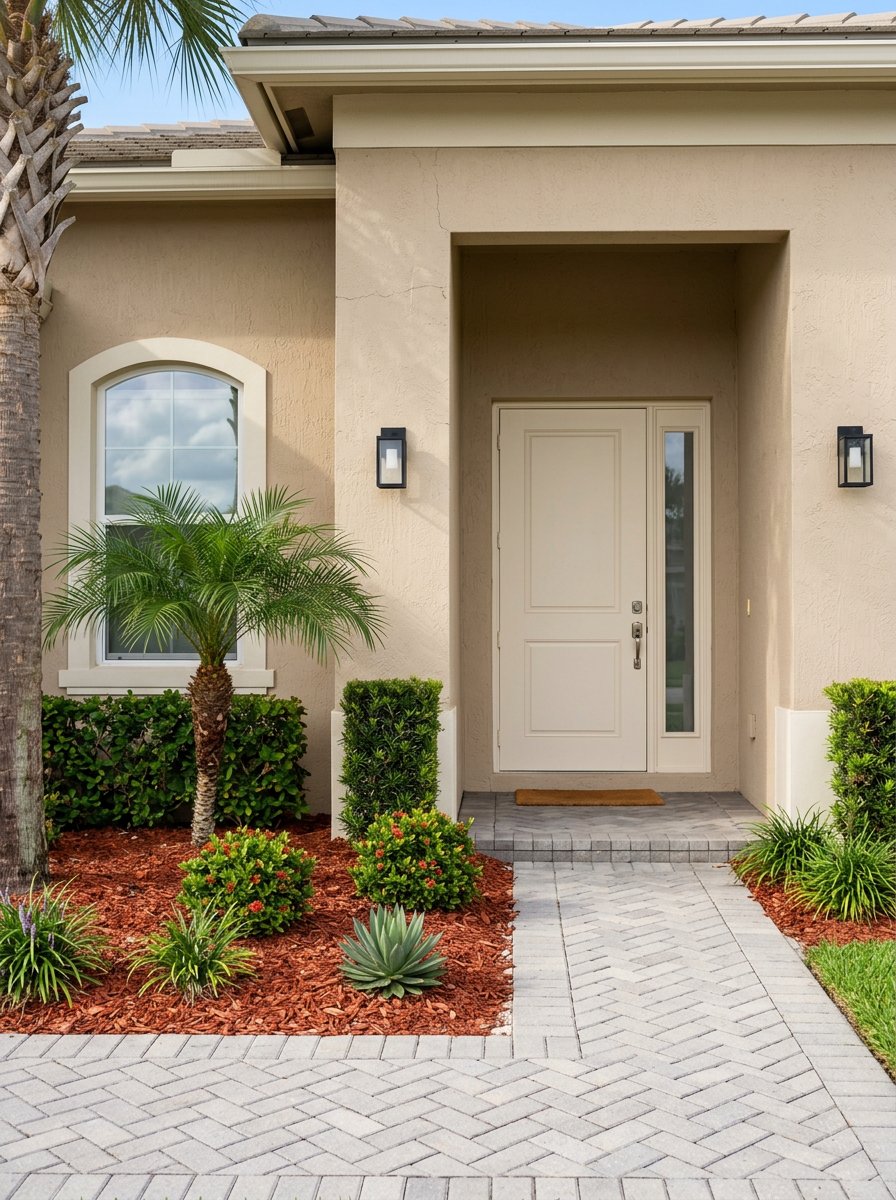
Relocating to St. Lucie West for Housing, Schools & Commute
March 24, 2026
March 24, 2026
Thinking about a move to St. Lucie West but not sure where to start? You want clear answers on housing, schools, and how long it really takes to get around. This guide gives you the essentials you need to decide with confidence, from home options and enrollment steps to commute choices and everyday conveniences. Let’s dive in.
St. Lucie West sits in central Port St. Lucie just east of I‑95, with quick access from Exit 121 and a busy retail corridor along St. Lucie West Boulevard. The area blends planned neighborhoods with shopping, dining, and recreation, including Clover Park, the New York Mets spring training home. Port St. Lucie continues to grow, with city and county snapshots available through the U.S. Census for context on population and households. You can review the latest city figures using the Census QuickFacts resource.
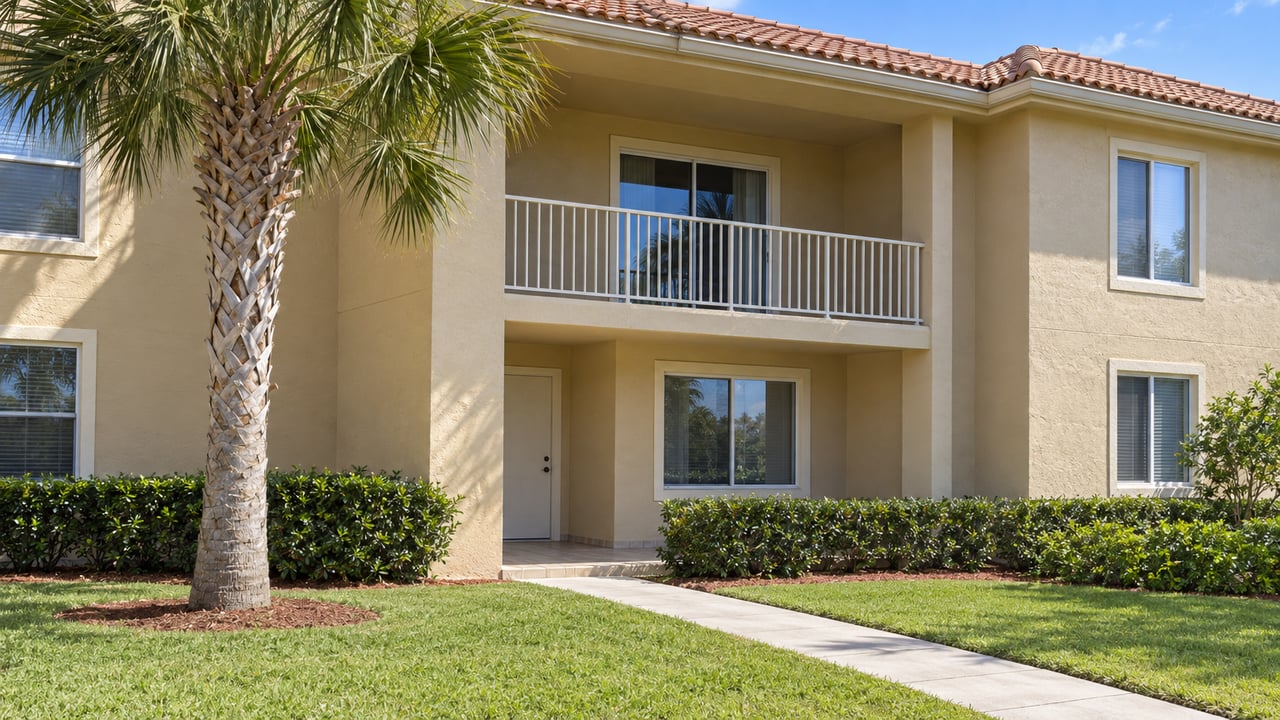
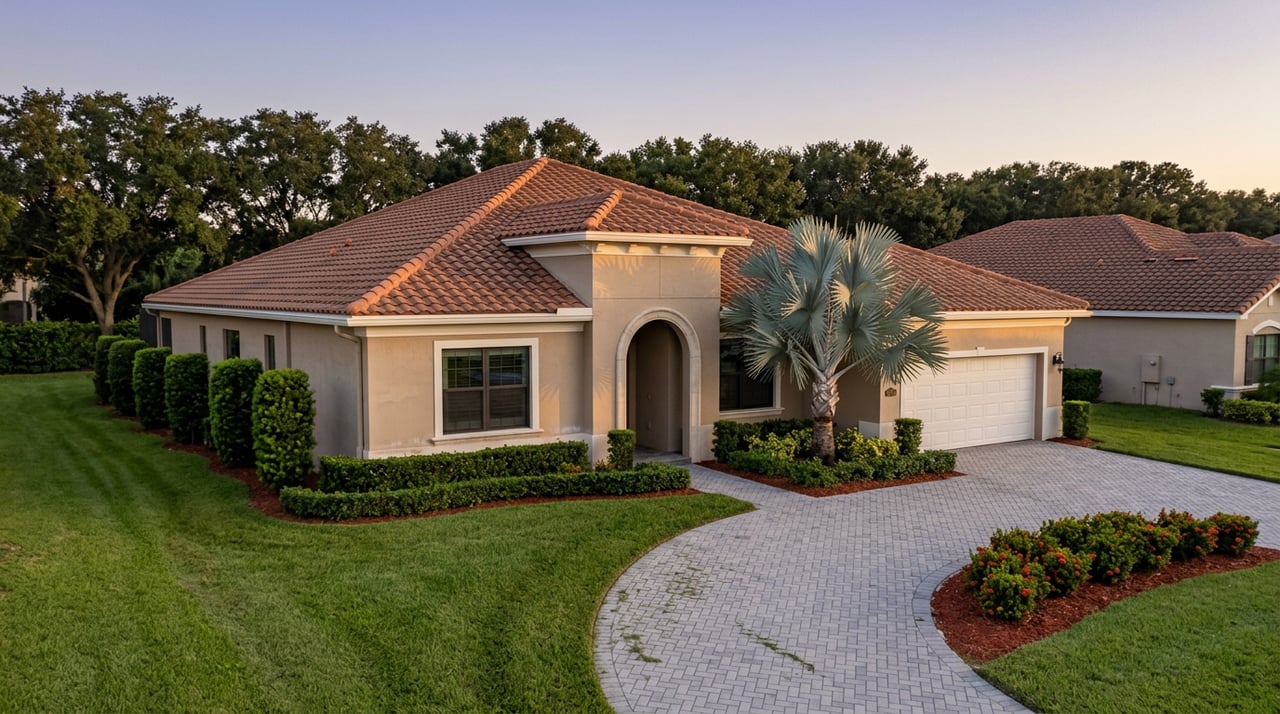
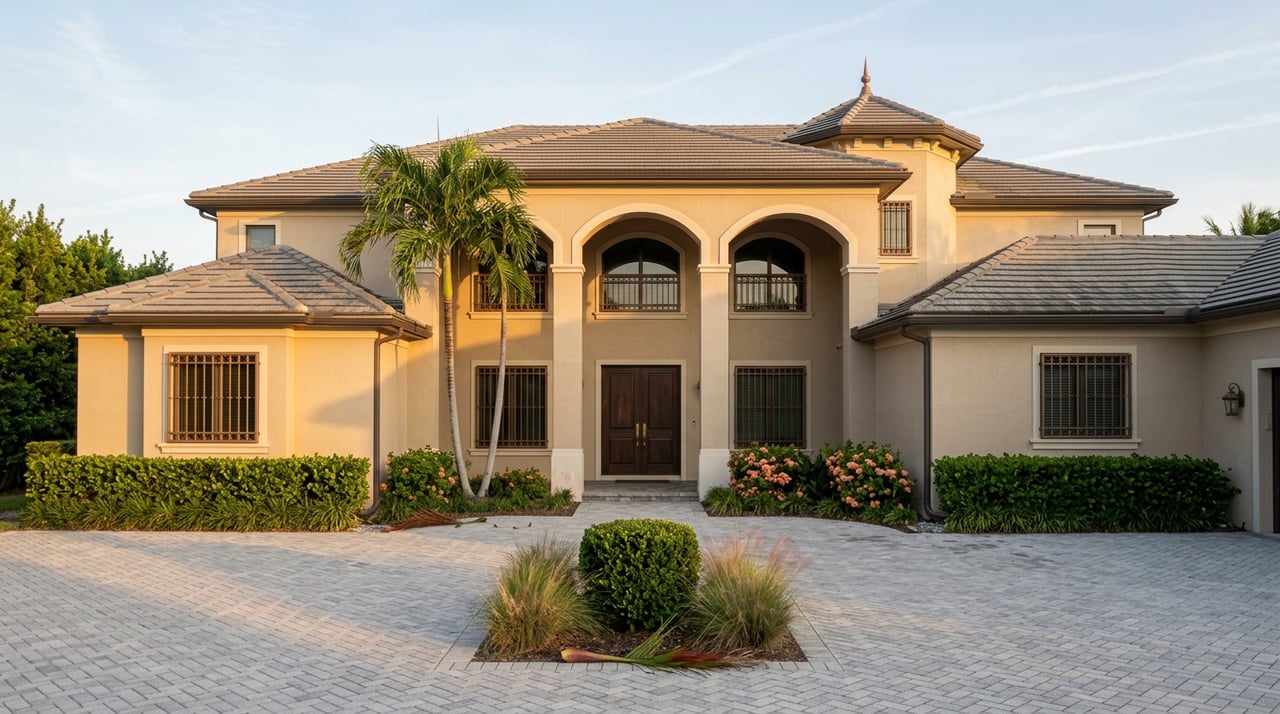
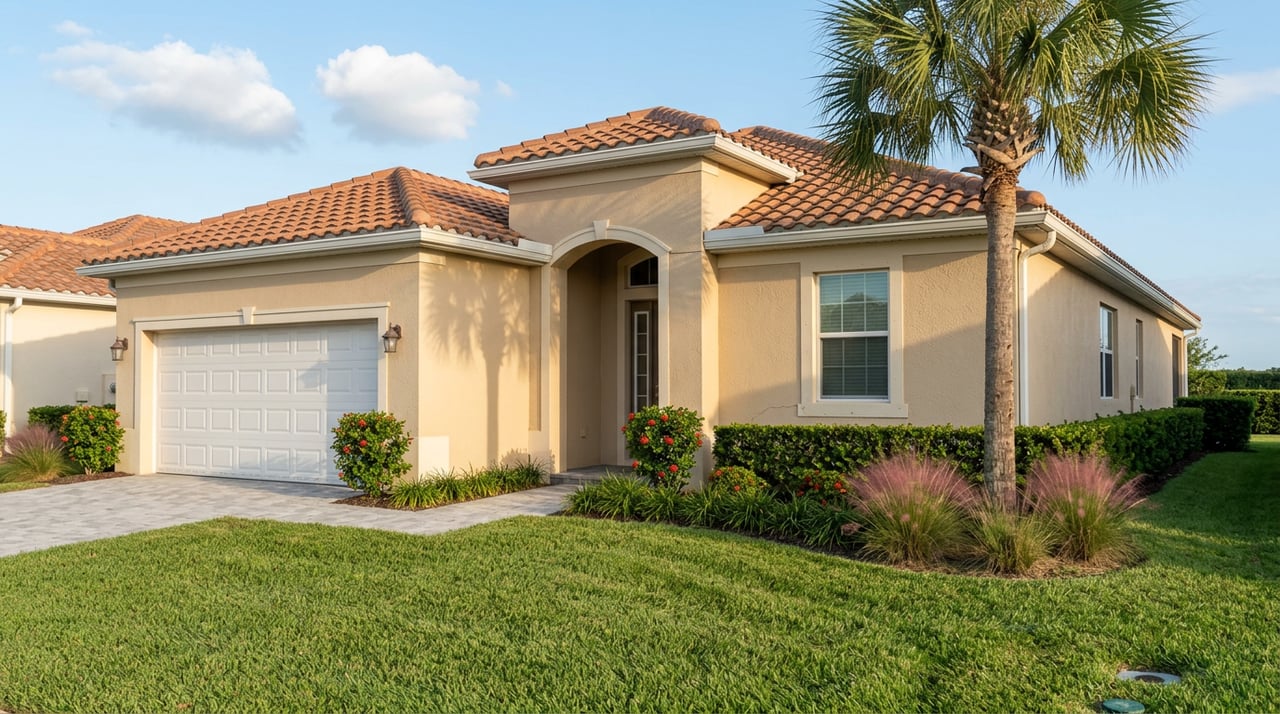
You will find mostly single-family homes in master-planned subdivisions, with a smaller number of villas, townhomes, and a limited supply of condos. Neighborhoods often feature lakes, community pools, or golf and preserve views. Inventory and pricing can vary by season, so plan to verify current listings and days on market as you start your search.
These figures are useful for framing budgets, but your monthly costs will depend on down payment, interest rate, taxes, and any HOA fees. If you are comparing rent vs. buy, run the numbers with your lender and a basic affordability calculator, then layer in HOA and insurance.
If you like planned communities and amenities, consider these St. Lucie West enclaves as starting points. Always verify boundaries and HOA details with your agent and the county GIS or MLS before making decisions.
Apartment and townhome rentals for 1–2 bedrooms often list in the roughly $1,500 to $2,500+ range. Single-family rentals with 3 or more bedrooms typically run higher and can reach about $2,500 to $4,000 depending on size and finishes. Pricing changes quickly, so use live listings for day-of rates.
School assignment in St. Lucie County is address specific. Before you sign a lease or write an offer, verify your exact address with the district’s school-locator and enrollment tools. You can also review each school’s profile for contact information and program updates.
Charter and private options operate in Port St. Lucie as well. Many follow enrollment windows or lottery systems, so check individual school pages and the district site for current policies. For performance and accountability, refer to Florida Department of Education or district report cards when you compare schools.
I‑95 is the primary highway, with local connectors including St. Lucie West Boulevard, NW/SW Peacock Boulevard, and Crosstown Parkway. Trips within Port St. Lucie are often 10 to 25 minutes, depending on time of day. West Palm Beach sits roughly 45 to 50 miles south by road, with typical car commutes in moderate traffic around 50 to 75 minutes.
Some residents who work in Palm Beach County use the Port St. Lucie Express commuter coach. Palm Tran operates weekday morning and evening runs between the Gatlin Boulevard Park & Ride and the West Palm Beach Intermodal Transit Center. Check the latest timetable and fares on the PSL Express page. Coach trips are commonly about 60 to 80 minutes depending on stops and traffic.
St. Lucie County supports fixed-route bus service and has tested on-demand microtransit for curb-to-curb pickups in select areas. If you rely on transit or would like a backup option, review the county’s on-demand pilot details for current service areas and pickup windows. Learn more through the county’s microtransit pilot overview on GovLaunch.
The Gatlin Boulevard Park & Ride is a local hub referenced in FDOT and Palm Tran materials, useful for commuter coach departures and sometimes intercity carriers. For context on park-and-ride resources, see the FDOT Park & Ride reference.
The St. Lucie West corridor functions as your day-to-day commercial spine. You will find supermarkets, banks, coffee shops, casual dining, and national retailers such as Marshalls, Petco, and Staples. Preview the tenant mix through the Town Center at St. Lucie West directory.
For routine and urgent needs, you have outpatient and urgent-care options such as the Martin Memorial MediCenter at St. Lucie West. Larger hospitals and specialty centers are a short drive away in the Tradition and Fort Pierce corridors. Always confirm providers and drive times that fit your household.
Clover Park, home to New York Mets spring training, anchors local baseball and community events. It is a favorite for family outings, and it can draw seasonal crowds on game days. Check schedules and ticket info through the Mets Spring Training site.
For air travel, Palm Beach International Airport (PBI) is the primary commercial hub about 45 to 60 miles south depending on your route. Vero Beach and Melbourne offer select routes that can be convenient for certain trips. For a broader overview of local living and travel options, see Port St. Lucie’s Introduction & Lifestyle Guide.
You want predictable commutes and a clear school plan. Start with addresses that align with your preferred schools, then test morning and afternoon drive times. Use the district’s school-locator to confirm assignment before you submit any offer or lease.
If you work in West Palm Beach or nearby, compare three options during a home-search visit: I‑95, Florida’s Turnpike, and the PSL Express coach. Try each during peak hours so you know your realistic door-to-door time.
If you prefer a lock-and-leave lifestyle, focus on villas, townhomes, or 55+ options such as The Cascades. Ask about HOA coverage, exterior maintenance, and amenity access so you can budget accurately and plan your routine.
If you are starting a local job, consider a short-term rental while you learn the area. Compare rent vs. buy using the city’s median sale price as a baseline. Then target communities that balance commute time, budget, and your preferred home type.
Follow this checklist to make your move smoother and more certain.
Clarify priorities. List your must-haves for schools, commute tolerance, home type, and budget. Use the district’s tools to verify school zoning by address through St. Lucie Public Schools, and use Port St. Lucie’s median sale price for a budget baseline.
Decide rent vs. buy. Compare typical local rents to ownership costs with your lender. Include taxes, insurance, HOA fees, and expected maintenance.
Plan a 2–4 day visit.
Verify at the address level. Before you sign anything, confirm school assignment on the district site, check flood zones and insurance needs, and run rush-hour commute tests from the exact property.
Time your move. Early spring often brings more listings in Florida markets, though inventory shifted between 2024 and 2026. Plan 45 to 90 days for a financed purchase and a shorter window for rentals.
Get documents and partners ready. Line up pre-approval, pay stubs, proof of funds, and IDs. Ask your agent for trusted local lenders, inspectors, insurance contacts, and movers.
Make a confident offer. Use neighborhood comps, HOA details, and inspection timelines that fit your goals. A balanced market means terms and flexibility can matter as much as price.
When you are relocating, you need fast answers and on-the-ground insight. Team Napolitano pairs neighborhood expertise in St. Lucie West with a responsive, process-driven team that helps you compare communities, verify schools, and understand commute tradeoffs before you decide. If you are ready to map a plan or want a quick read on today’s inventory, reach out to Annmarie Napolitano. We are here to help you move with confidence.
Stay up to date on the latest real estate trends.
More than transactions—we offer experienced leadership, collaborative support, and a commitment to lasting relationships rooted in trust and local expertise.