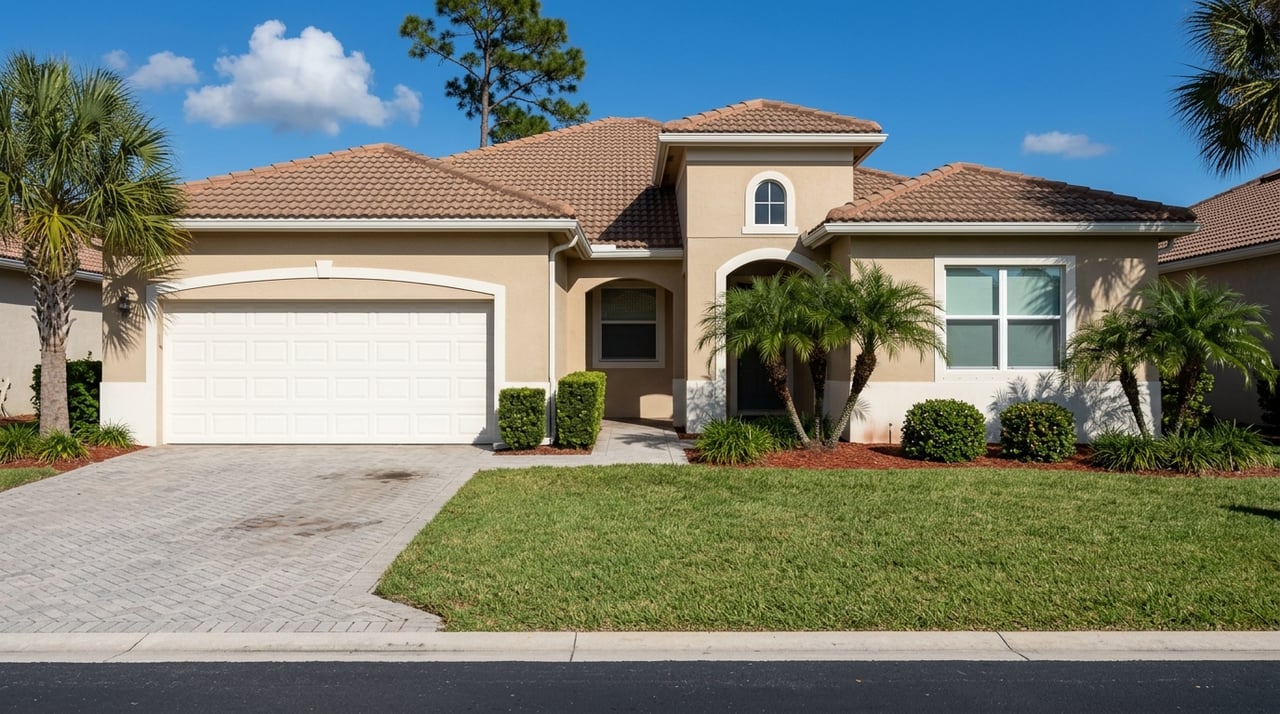
PGA Village Home Styles: Finding the Right Community
June 4, 2026
June 4, 2026
Wondering how one community can offer condos, townhomes, villas, and larger estate-style homes all under the PGA Village name? If you are thinking about buying in PGA Village, that variety can feel exciting and a little confusing at the same time. The good news is that once you understand how the community is structured, it becomes much easier to narrow in on the right fit for your lifestyle, budget, and maintenance preferences. Let’s dive in.
PGA Village is a controlled-access, master-planned community in unincorporated St. Lucie County with more than 2,500 properties. Community materials describe roughly three dozen sub-associations, more than 35 miles of roadway, and a mix of housing that ranges from condos and garden villas to single-family and estate homes.
That matters because PGA Village is not one single neighborhood with one single ownership experience. The master property owners association oversees roads, signs, common areas, preserves, lake and wetland areas, cable and internet, the Island Club, access control, safety, and gatehouses, while each sub-association may manage its own common areas and rules.
For you as a buyer, the biggest takeaway is simple: two homes in PGA Village can offer very different day-to-day lifestyles. The home style matters, but so do the dues, maintenance coverage, gate arrangements, and architectural rules tied to each specific enclave.
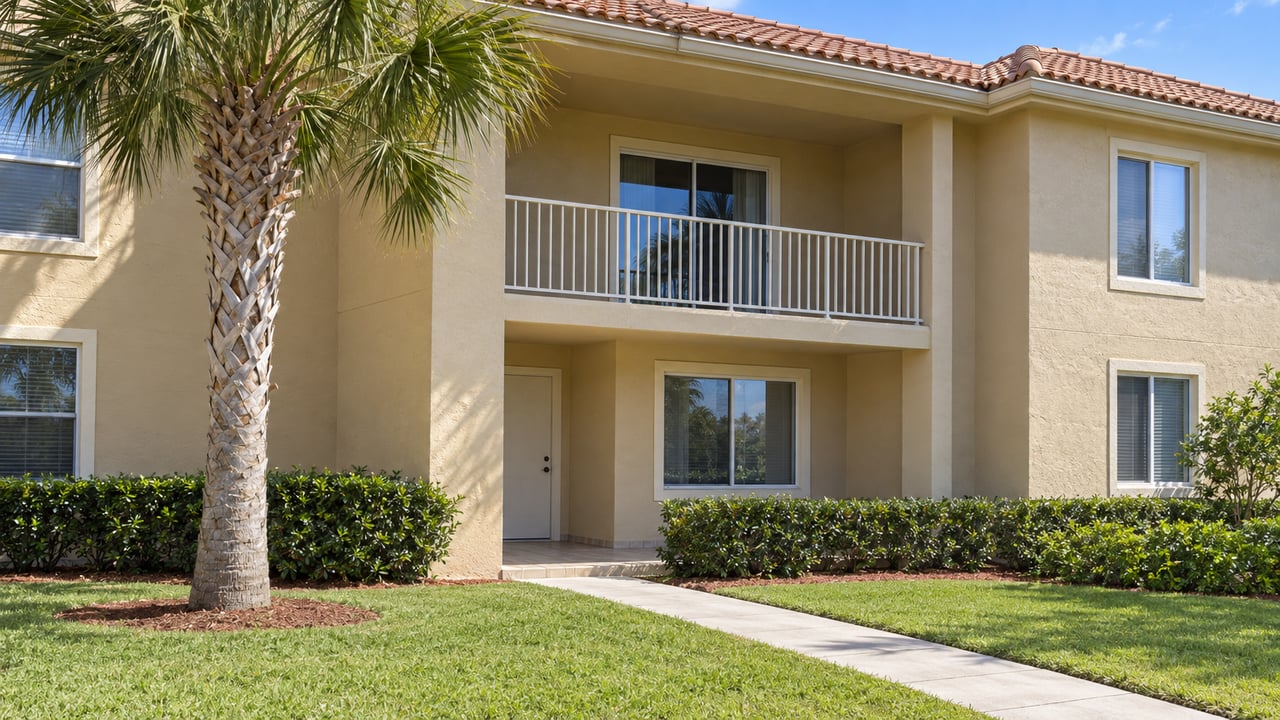
If you want a lower-maintenance option, condos and townhomes are often the first places buyers look. Official community rosters identify condo and townhome choices such as Castle Pines Condo, Castle Pines I Townhomes, Castle Pines II Townhomes, Golf Villas I, Golf Villas II, and Pine Creek Townhomes.
This home-style bucket is most closely associated with convenience and lock-and-leave ownership. The resident handbook notes that the smaller condominiums and townhomes are well suited for couples or seasonal residents, which makes them a practical option if you want to spend less time on upkeep and more time enjoying the area.
Golf Villas offers a good example of why details matter. Its 2024 FAQ identifies it as a condominium association, states that each unit gets one vote, notes that assessments are paid quarterly, and says the condo documents place no leasing restriction on the unit.
Castle Pines II shows the other side of the decision. It identifies itself as a townhomes association and states that exterior changes require architectural review approval, which is an important point if you want to personalize the outside of your home.
These homes may be a strong match if you are looking for:
That does not mean every condo or townhome works the same way. Before you buy, compare the sub-association rules carefully so you know what is covered and what is your responsibility.
PGA Village materials also describe the community as including picturesque garden villas. At the same time, not every smaller neighborhood is labeled under one formal architectural category, so the most accurate way to think about this group is as a collection of smaller, lower-maintenance neighborhoods within PGA Village.
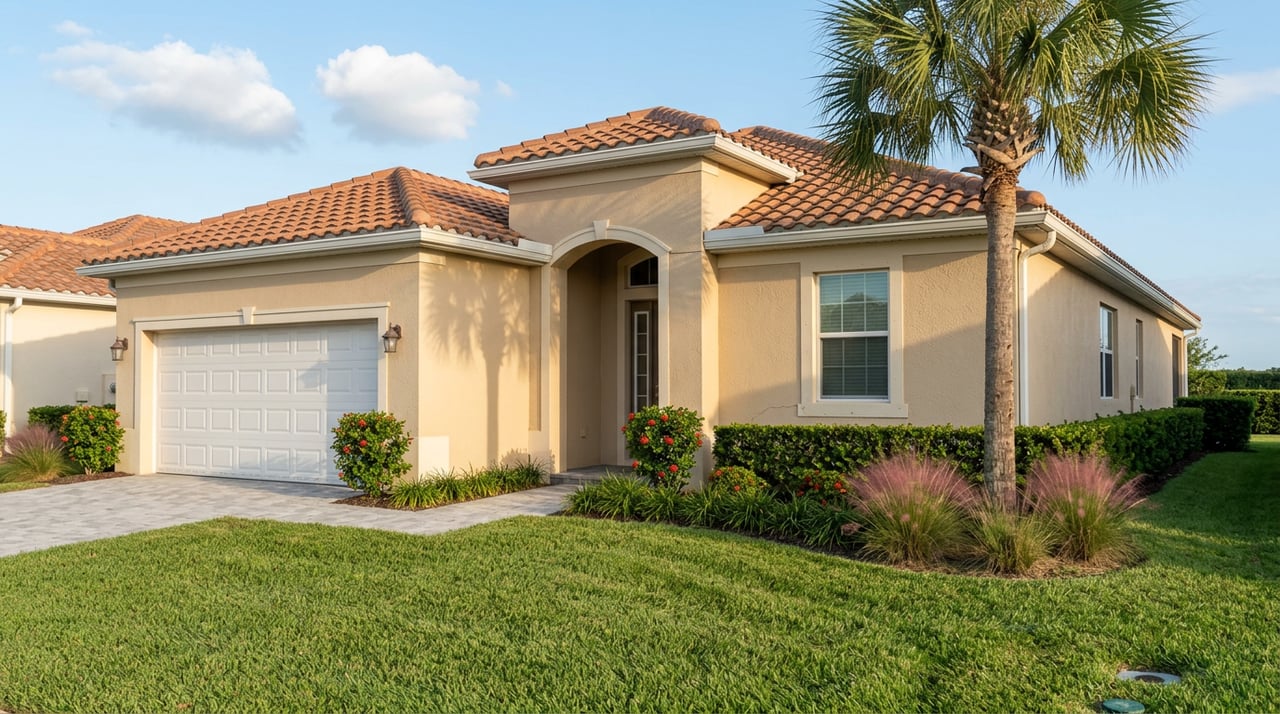
Examples on the official roster include Maidstone, Island Point, Kingsmill, Muirfield, Reserve Golf Villas, Greenbriar, and Spyglass. These communities often appeal to buyers who want more of a neighborhood feel than a condo may offer, while still keeping ownership more manageable than some of the larger detached-home enclaves.
Maidstone helps illustrate this category well. Its HOA site describes it as a 169-home community inside PGA Village bordered by reserve areas and the Legacy and Dye golf courses, giving it a tucked-in setting with a golf-and-preserve backdrop.
For many buyers, this is the middle ground. You may get a bit more residential privacy and space than a condo, while still staying within a community format that feels easier to manage than a larger estate property.
This can be especially appealing if you want:
Because these neighborhoods can vary, it is smart to review the exact association structure, exterior rules, and maintenance scope for any community you are considering.
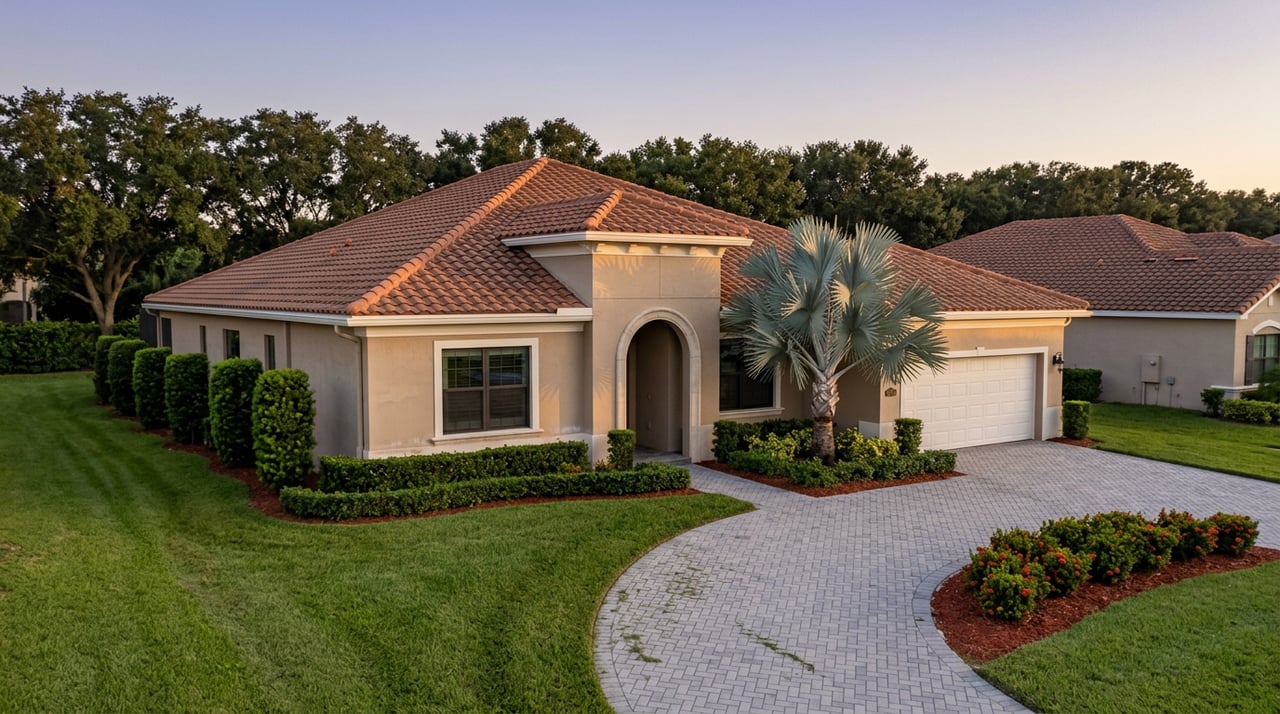
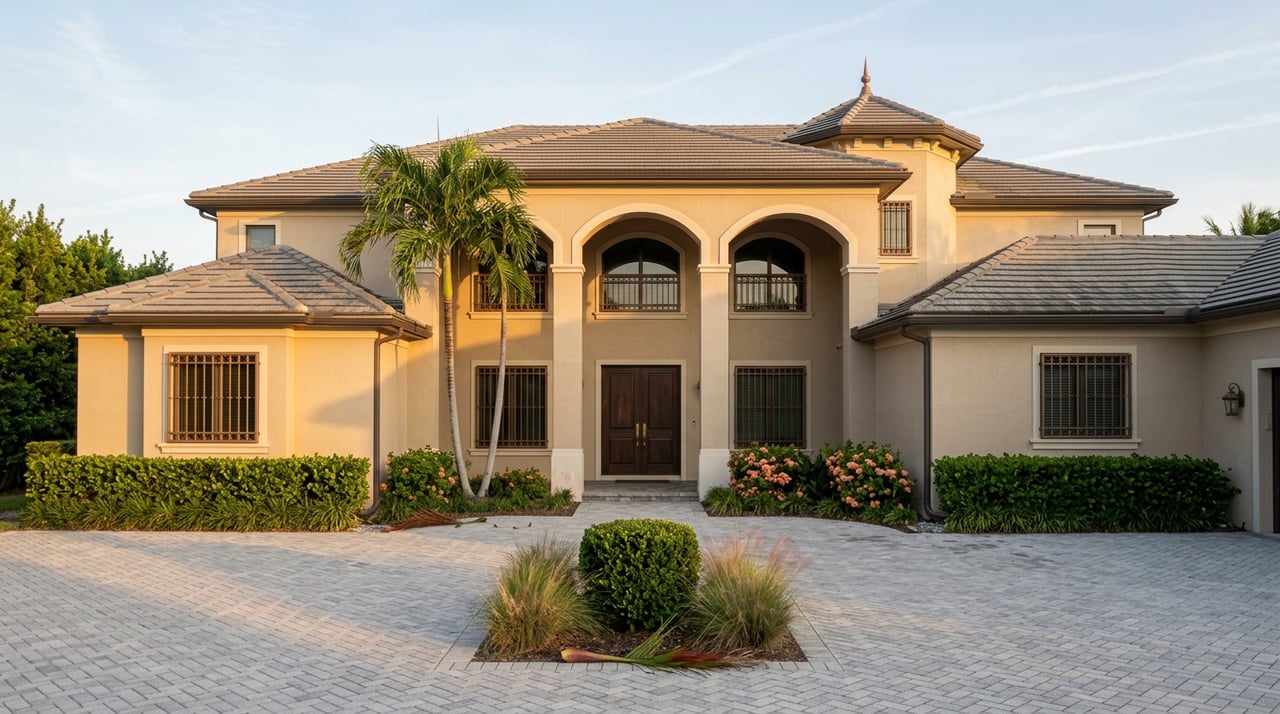
On the larger detached-home side of PGA Village, the community includes enclaves such as Callaway Place, Cypress Point, Fairway Landings, Pinehurst, Reserve Plantation, Sabal Creek, The Enclave, The Laurels, The Lakes, and Tompson Point. The architectural review manual lists setback and minimum-size standards for these areas, reflecting a more spacious detached-home format.
In those communities, minimum living areas range from 2,000 to 3,600 square feet. The resident handbook also notes that most Village properties are single-family, two- to four-bedroom homes with landscaped yards, welcoming entryways, screened lanais, and, in many cases, swimming pools.
For buyers who want more room to spread out, this is often the most appealing category. These homes generally align with buyers looking for larger lots, more privacy, more outdoor living, and extra space for guests, hobbies, or entertaining.
Depending on the enclave, single-family and estate-style homes may be a better fit if you value:
As always, the details can vary by community. The standards and approval processes in one enclave may not match those in another.
Home style is only part of the picture in PGA Village. The lifestyle side of the community is a major reason many buyers focus their search here in the first place.
PGA Golf Club is the anchor amenity. Official club information highlights 54 holes of championship golf across the Wanamaker, Ryder, and Dye courses, along with a 6-hole family short course, instruction, and a practice facility.
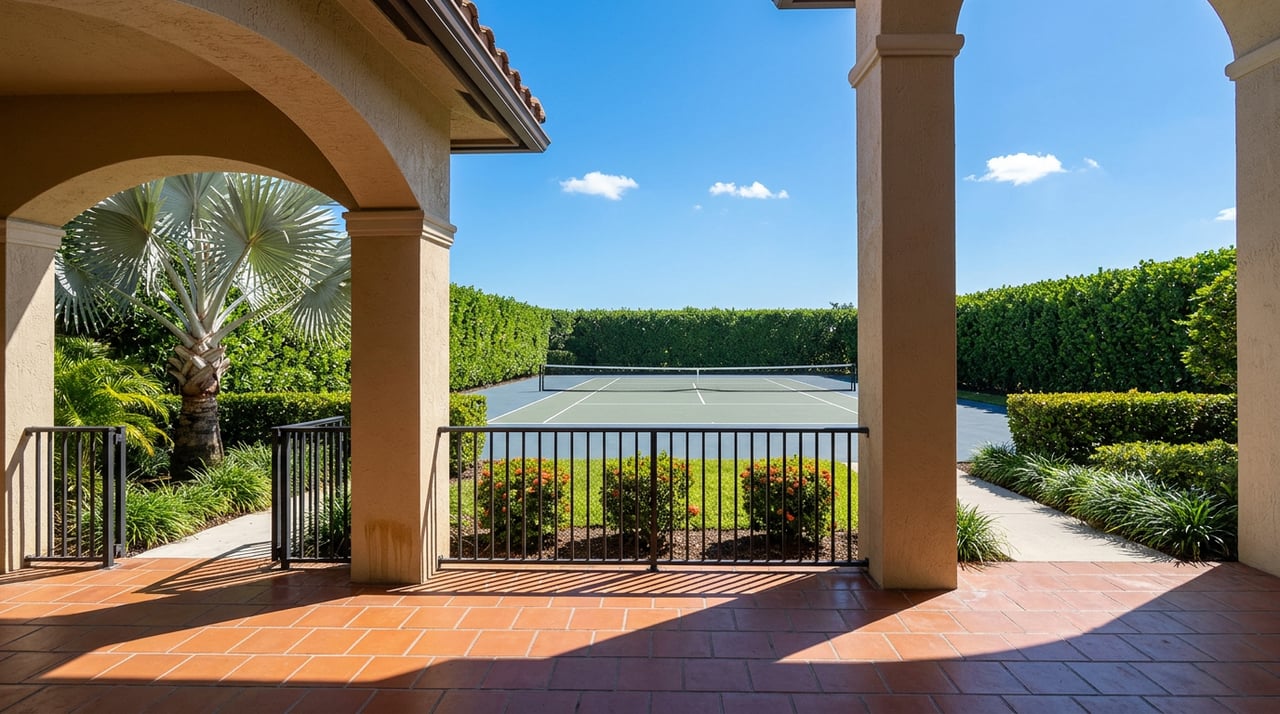
The Island Club serves as the resident hub. Current community materials describe it as the central place for events, meetings, and amenities, with a fitness center, heated lap pool, pickleball courts, a tennis court, and reservable rooms including a ballroom, arts-and-crafts room, card room, conference room, island room, and billiards room.
The natural setting also shapes daily life here. According to the resident handbook, PGA Village includes 48 lakes and waterways that account for about one-sixth of the village acreage, contributing to views, wildlife habitat, and irrigation throughout the community.
When you are deciding between PGA Village communities, the smartest comparison is not just square footage or price. You also want to understand the governance and maintenance structure tied to the property.
Start by comparing these items:
This is where buyers can avoid surprises. A condo association may have one set of leasing or assessment rules, while a townhome or detached-home enclave may have a different approval process for exterior updates.
If you already know you want PGA Village but are not sure which section fits you best, this shortcut can help.
These options are often best for easier upkeep, seasonal living, and a lock-and-leave lifestyle. They can be a practical choice if you want to spend more time traveling, golfing, or enjoying the community rather than managing a larger property.
Villa-style and similar smaller neighborhoods can offer a middle ground between low maintenance and a more residential feel. This category often appeals to buyers who want comfort and privacy without stepping all the way up to a larger detached home.
Larger detached enclaves tend to suit buyers who want more room, bigger lots, and a stronger long-term ownership feel. If outdoor living, guest space, or custom upgrades matter to you, this may be the direction to explore first.
PGA Village gives you real variety, but that variety is exactly why a guided search matters. When you match the right home style with the right sub-association, the community starts to make a lot more sense and your decision becomes much clearer.
If you are weighing your options in PGA Village or trying to compare one enclave against another, working with a local team can save you time and help you ask the right questions before you buy. Reach out to Annmarie Napolitano for expert guidance on PGA Village homes and communities.
Stay up to date on the latest real estate trends.
More than transactions—we offer experienced leadership, collaborative support, and a commitment to lasting relationships rooted in trust and local expertise.