PGA Village Condo vs Home: Compare Your Options
June 11, 2026
June 11, 2026
Wondering whether a condo, villa, or single-family home makes the most sense in PGA Village? You are not alone. Many buyers love the community’s lifestyle and amenities, but the property options can feel less straightforward than they first appear. The good news is that once you understand how PGA Village is structured, it becomes much easier to narrow in on the right fit for your budget, maintenance goals, and day-to-day lifestyle. Let’s dive in.
PGA Village is a controlled-access community in St. Lucie County with more than 35 miles of roadway and 34 sub-divisions. It includes a wide mix of property types, from condos and garden villas to single-family and estate homes.
That matters because PGA Village is not one uniform HOA setup. The Property Owners Association manages community features like roadways, common areas, lakes and wetlands, access control, cable and internet, and the Island Club, but individual sub-associations can have different dues, maintenance responsibilities, and management styles.
If you are comparing homes here, the biggest mistake is assuming every property comes with the same monthly costs or rules just because it has a PGA Village address. In this community, the sub-association often tells you more than the property label alone.
Before looking at each property type, it helps to think about three core questions:
Those three questions usually point buyers in the right direction faster than square footage alone. In PGA Village, that is especially true because similar-looking homes can come with very different ownership structures and monthly obligations.
For many buyers, condos are the easiest entry point into PGA Village living. They are often a strong fit for couples or seasonal residents who want a lock-and-leave option with less exterior upkeep.
A major advantage of a condo is reduced day-to-day maintenance. In recent listing examples from PGA Village, condo and townhome dues have ranged from about $482 to $808 per month, with fees sometimes covering combinations of water, sewer, building insurance, roof or exterior maintenance, lawn care, cable, internet, pool access, and Island Club access.
That convenience can be appealing if you want to spend less time managing the property and more time enjoying the community. For second-home buyers or owners who travel often, that lower maintenance burden can be a real benefit.
The tradeoff is that condo ownership in Florida comes with more structure and more disclosure. Under Florida condo law, qualifying buildings must have milestone inspections and structural integrity reserve studies, and buyers are entitled to key documents before closing.
That added transparency can help you make a more informed decision. At the same time, it can also mean higher dues or special assessments if reserves are not where they need to be.
A condo may be the right choice if you:
In PGA Village, the word villa can be a little tricky. It is often used as a marketing label rather than a separate legal category.
That means a villa may actually be structured as a condo or townhome from a legal and ownership standpoint. Before you assume how insurance, maintenance, or title works, it is important to verify the declaration and exact ownership structure for that specific property.
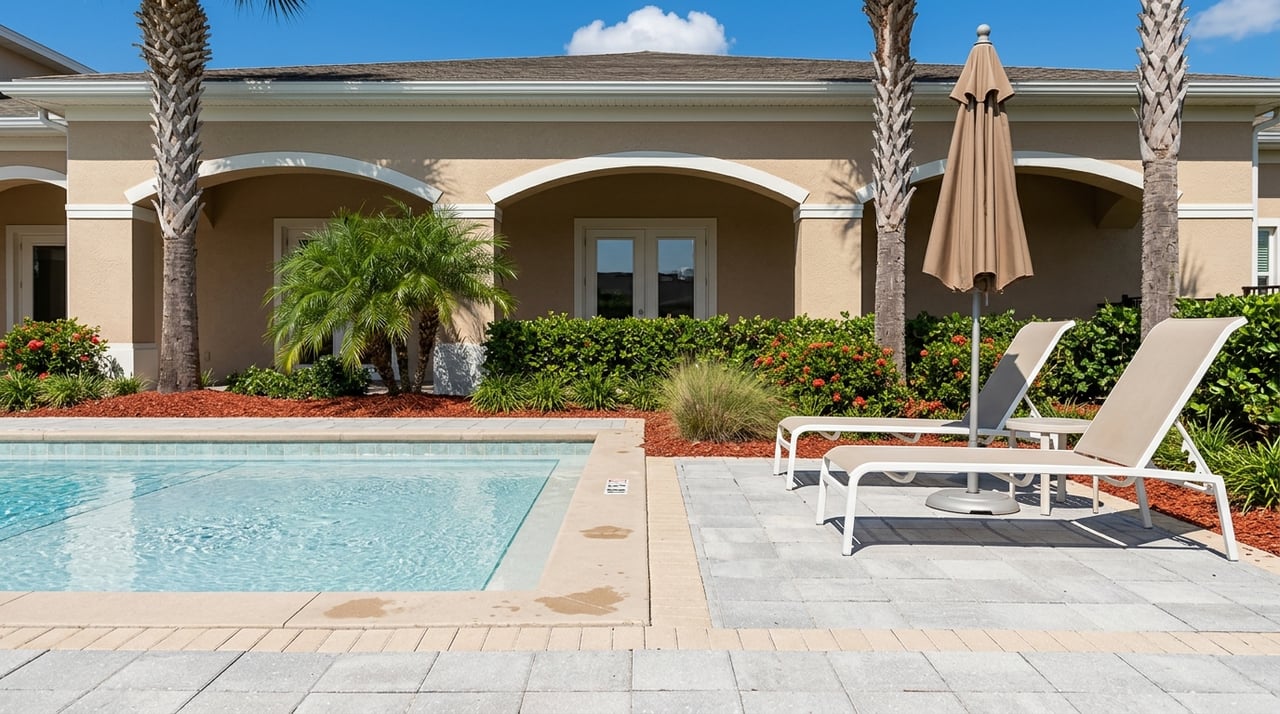
Recent golf-villa examples show dues around $624 per month, with features such as neighborhood pools or hot tubs, clubhouse-style access, and Island Club privileges. In many cases, villas in PGA Village fall into a similar monthly cost range as condos rather than coming in far below them.
For many buyers, villas offer a middle ground. You may get less to maintain than with a detached house, while still having a little more separation or a different feel than a typical condo setup.
A villa may be the right choice if you:
This is one of the most important points for PGA Village buyers. If a home is marketed as a villa, do not stop at the brochure description.
You will want to confirm:
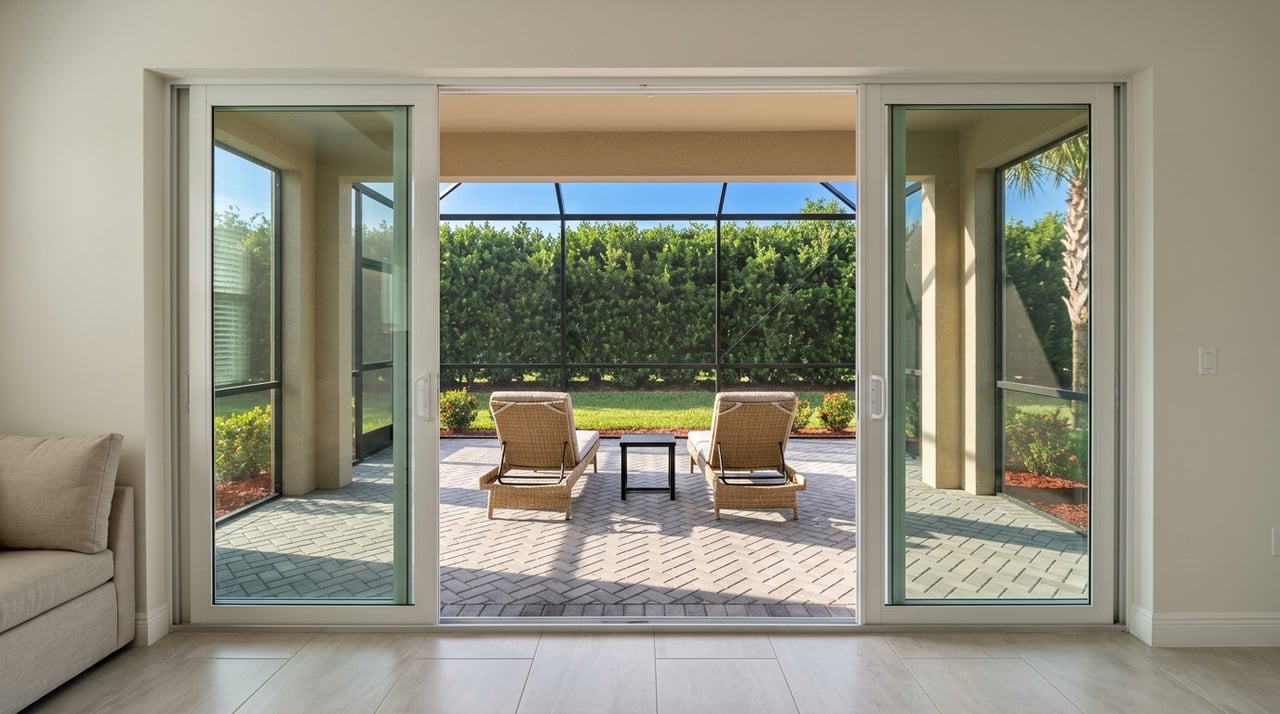
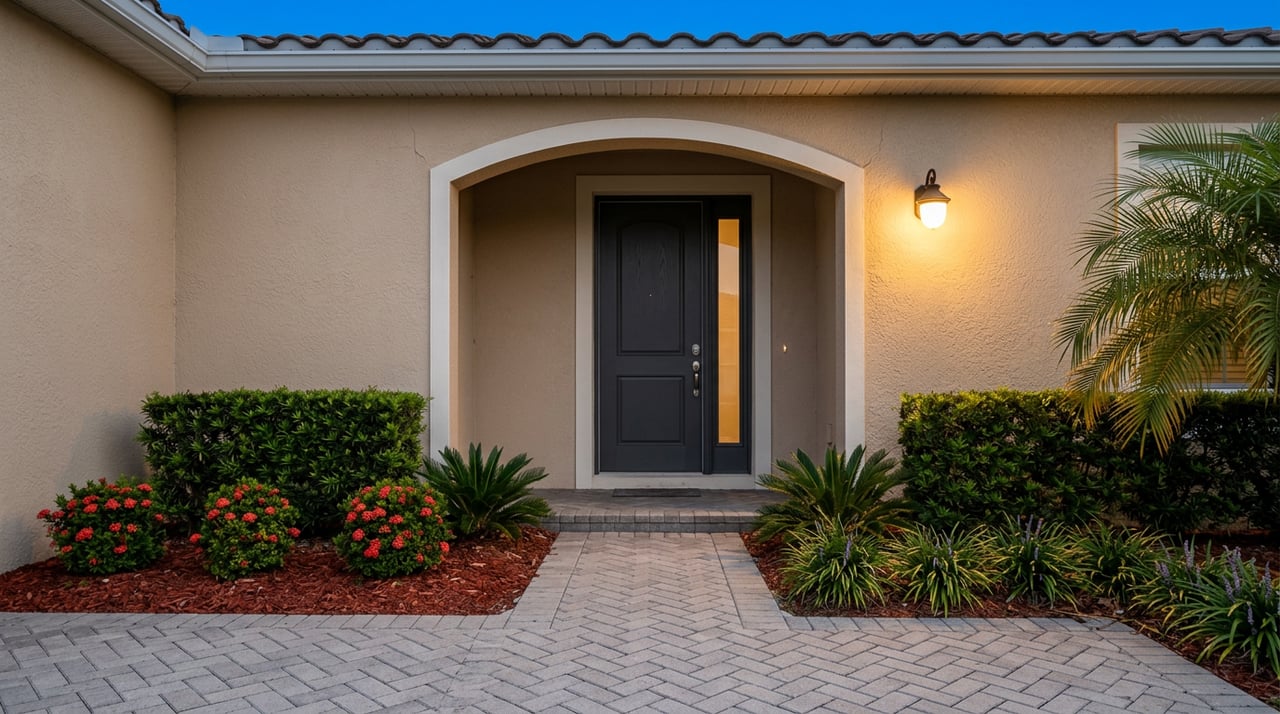
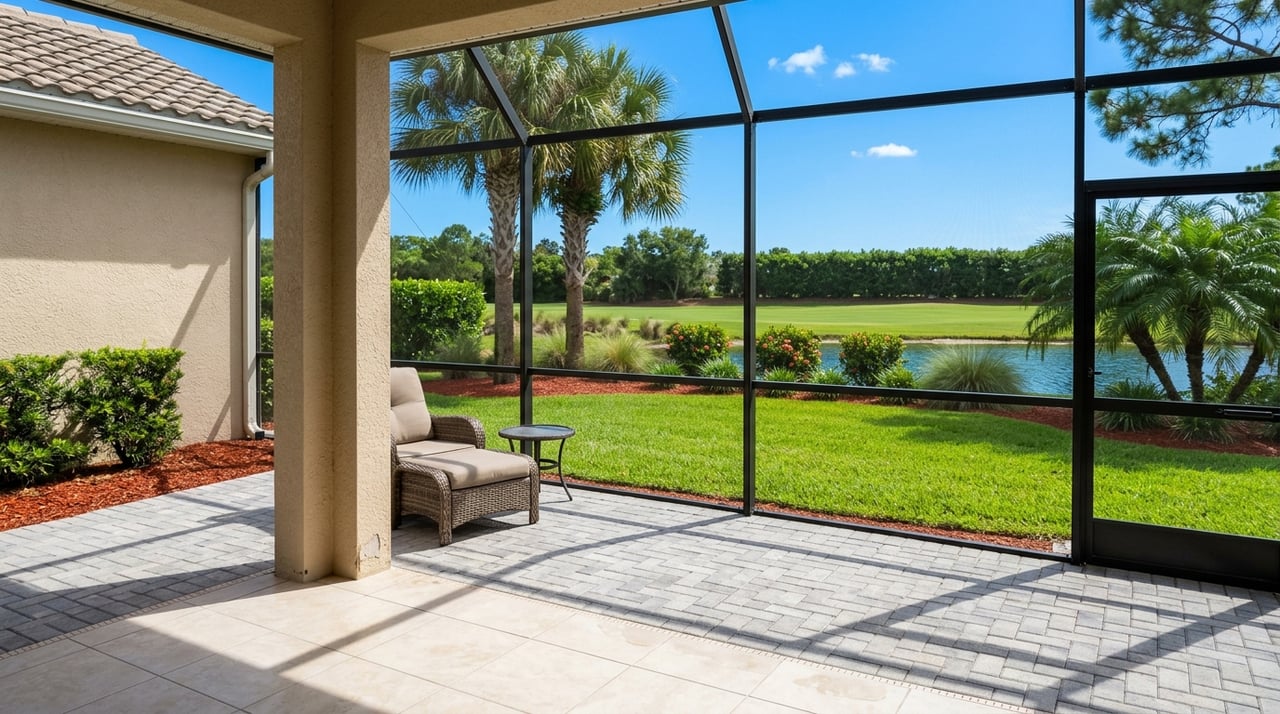
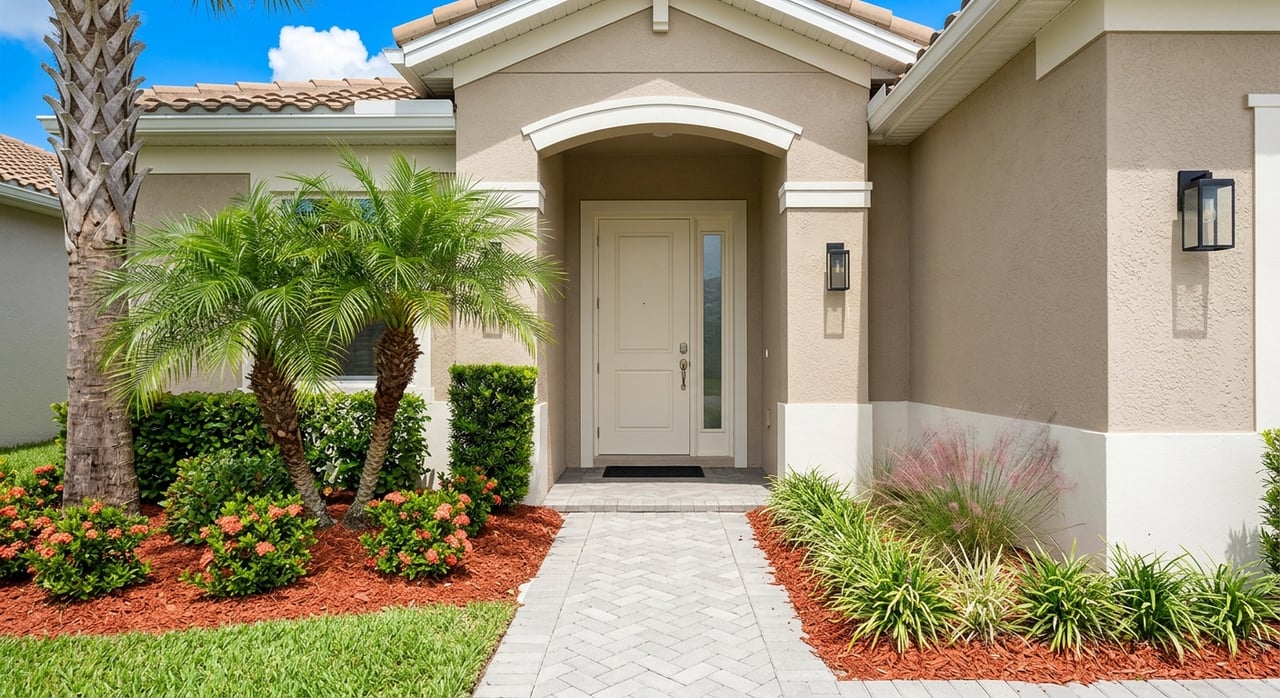
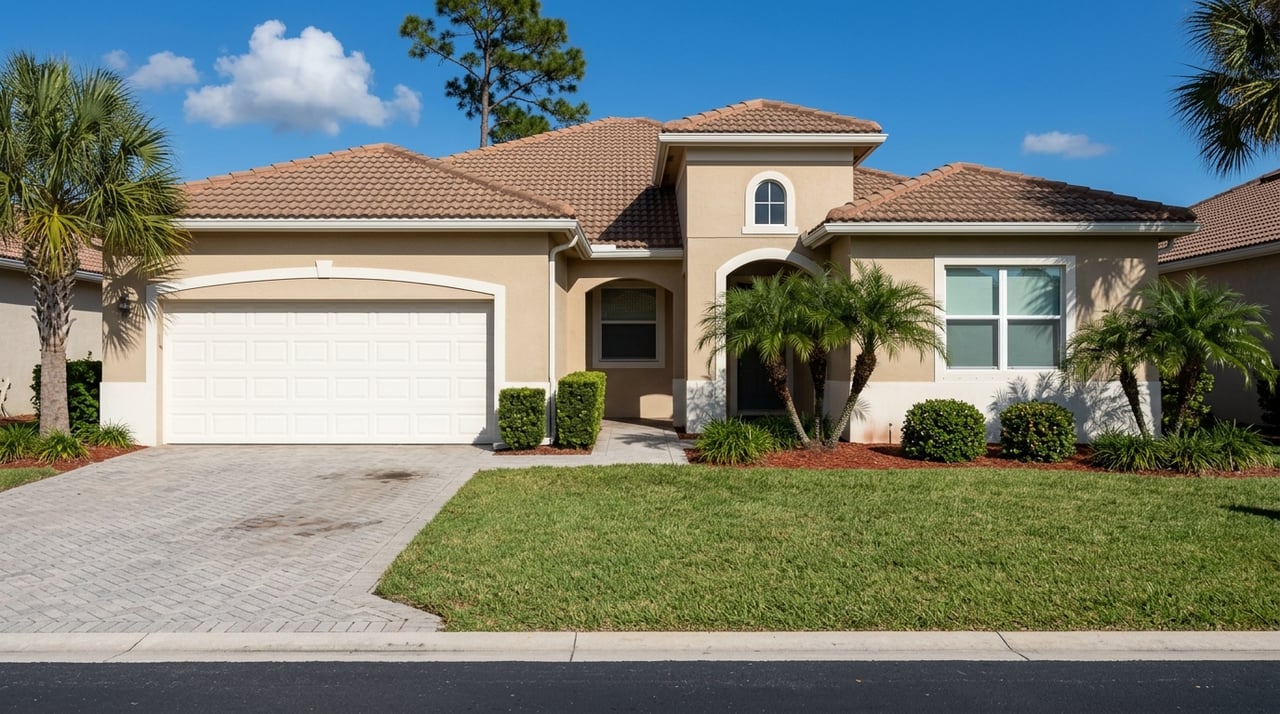
If space, privacy, and a more traditional detached-home feel top your list, single-family homes are often the strongest match. Most PGA Village properties are single-family homes, and the community description highlights features like landscaped yards, welcoming entryways, screened porches or lanais, and many homes with pools.
Detached homes typically give you the most day-to-day control and the most separation from neighboring properties. That can be appealing if you want a yard, outdoor living space, or room to spread out.
Still, detached does not mean no HOA. Recent single-family listing examples in PGA Village show association dues around $313 to $491 per month, often including items like cable, internet, lawn care, common-area maintenance, security, and Island Club access.
In other words, a single-family home may offer more privacy, but it does not automatically mean low monthly fees. You should also expect more direct responsibility for the home itself and for repairs or upgrades not covered by the association.
A single-family home may be the right choice if you:
When buyers compare condos, villas, and single-family homes, they often focus first on the monthly association fee. That matters, but it is only one part of your carrying costs.
Property taxes are assessed annually by the St. Lucie County Property Appraiser based on the property’s value as of January 1 for the tax year. The St. Lucie County Tax Collector then issues one consolidated bill that includes the relevant taxing authorities.
It is also important not to assume that every PGA Village property has the exact same tax mix. The resident handbook describes PGA Village as being in unincorporated St. Lucie County, so the actual tax authorities should be confirmed on the parcel’s TRIM notice or tax bill.
For buyers planning to make the home a primary residence, exemptions may also affect the long-term tax picture. Those details are parcel-specific, so they should be reviewed carefully during your due diligence.
Two properties with similar sizes and similar asking prices can still have very different ownership costs over time. That is because sub-associations in PGA Village vary, including a mix of self-managed and professionally managed neighborhoods.
Under Florida Chapter 720, HOA members may elect to provide fully funded reserve accounts, but the statute also allows limited or voluntary deferred-expenditure accounts unless the association has elected otherwise. In plain terms, that means one neighborhood may budget very differently from another.
This is why one of the smartest questions you can ask is not just, “What are the dues?” It is, “What do the dues cover, and what is the reserve and assessment history?”
Many buyers are drawn to PGA Village for its golf lifestyle, and that makes sense. But it is important to separate golf expenses from community association costs.
PGA Golf Club operates its own tee-time and membership structure and offers 54 holes of championship golf. The Island Club, on the other hand, is the resident amenity center managed through the community structure.
If golf is a big part of your decision, make sure you budget for it as its own category. Do not assume your HOA or condo dues include golf access just because you live in PGA Village.
If you are torn between the three options, this quick comparison can help.
| Property Type | Usually Best For | Main Advantage | Main Tradeoff |
|---|---|---|---|
| Condo | Seasonal or lock-and-leave buyers | Less exterior maintenance | More association structure and possible assessment exposure |
| Villa | Buyers seeking a middle ground | Balance of maintenance and privacy | Ownership structure may need closer verification |
| Single-family | Buyers prioritizing space and privacy | More control and separation | More direct responsibility for the home |
The best choice comes down to how you want to live, not just what sounds best on paper. In PGA Village, the right answer is usually the property type that matches your lifestyle and the sub-association that matches your comfort level.
If you remember one thing from this guide, make it this: in PGA Village, you should never evaluate a home by property label alone. Condo, villa, and single-family can each work well, but the real story is in the specific sub-association.
Before you move forward on any property, make sure you understand what the dues cover, what they do not cover, how reserves are handled, and whether there is any assessment history. That extra layer of clarity can help you avoid surprises and choose a home that truly fits your goals.
If you are comparing homes in PGA Village and want help reading beyond the listing description, Annmarie Napolitano and Team Napolitano can help you evaluate the details that matter most for your next move.
Stay up to date on the latest real estate trends.
More than transactions—we offer experienced leadership, collaborative support, and a commitment to lasting relationships rooted in trust and local expertise.