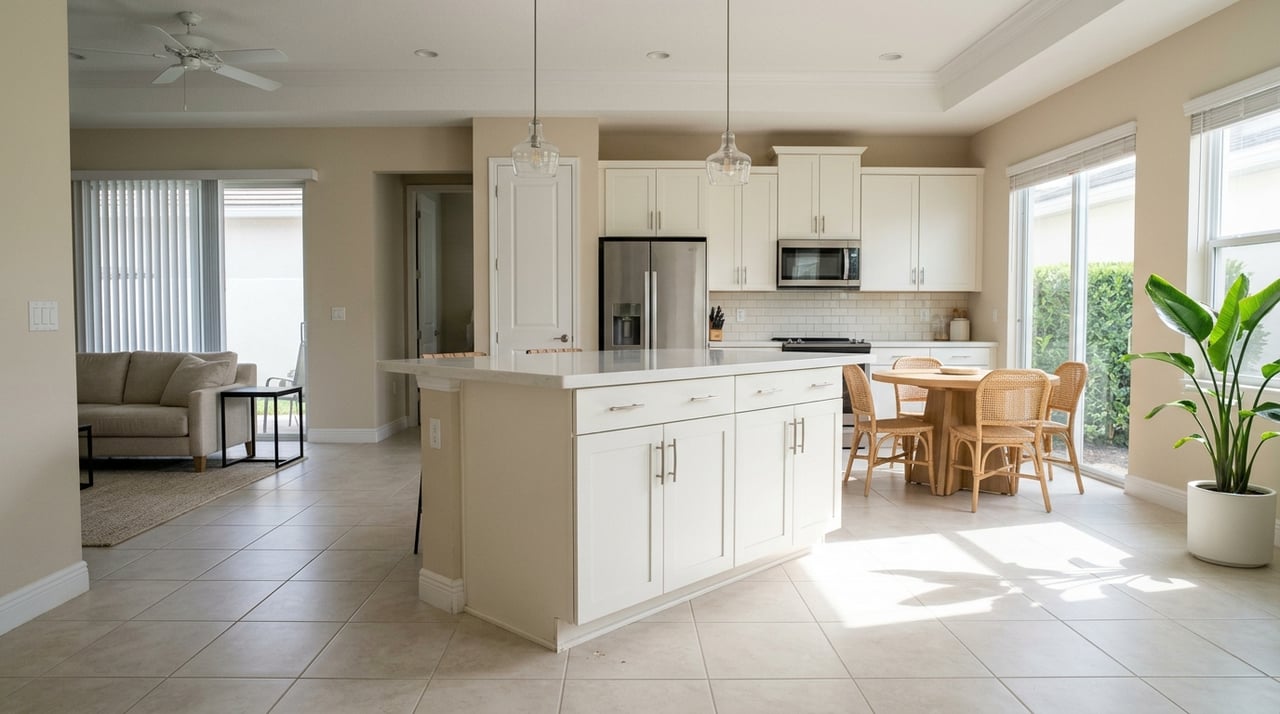
Is a PGA Village Second Home Right for You?
June 18, 2026
June 18, 2026
Dreaming about a Florida home you can enjoy for part of the year without taking on a full-time maintenance burden? If you are exploring second-home or snowbird living in PGA Village, you are likely looking for more than warm weather alone. You want a home base that feels easy to use, enjoyable when you are here, and practical when you are away. This guide walks you through what makes PGA Village stand out, what to verify before you buy, and how to decide if it fits your seasonal lifestyle. Let’s dive in.
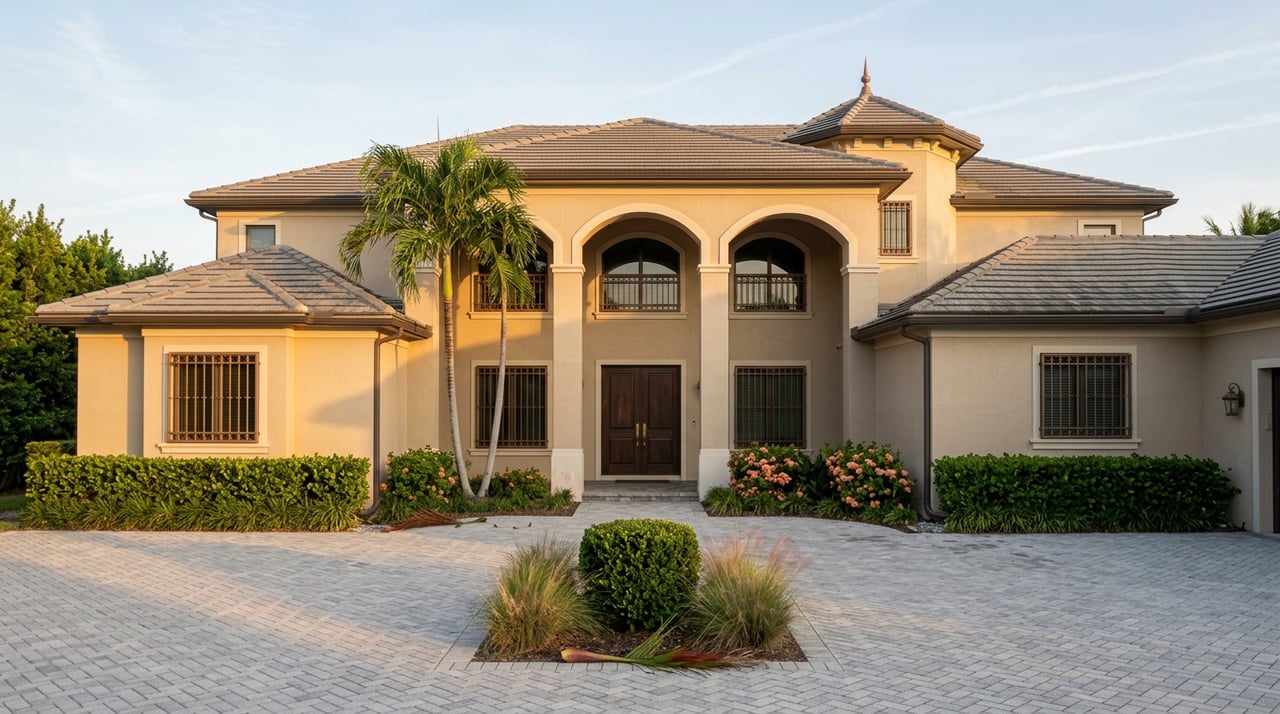
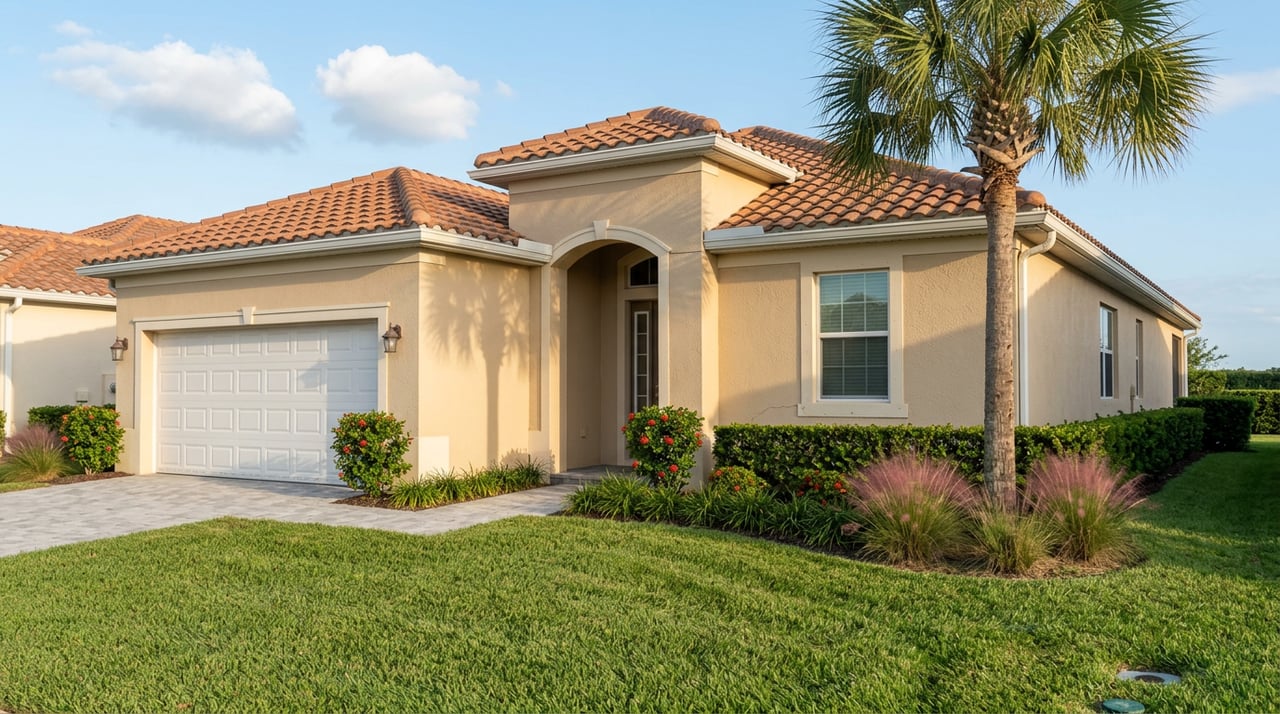
PGA Village is a golf-centered residential community in the Port St. Lucie and Treasure Coast area. According to the resident handbook, it is a controlled-access community in unincorporated St. Lucie County with more than 2,515 properties and 35 sub-associations. Housing options include condos, villas, single-family homes, and estate homes, which gives seasonal buyers a wide range of choices.
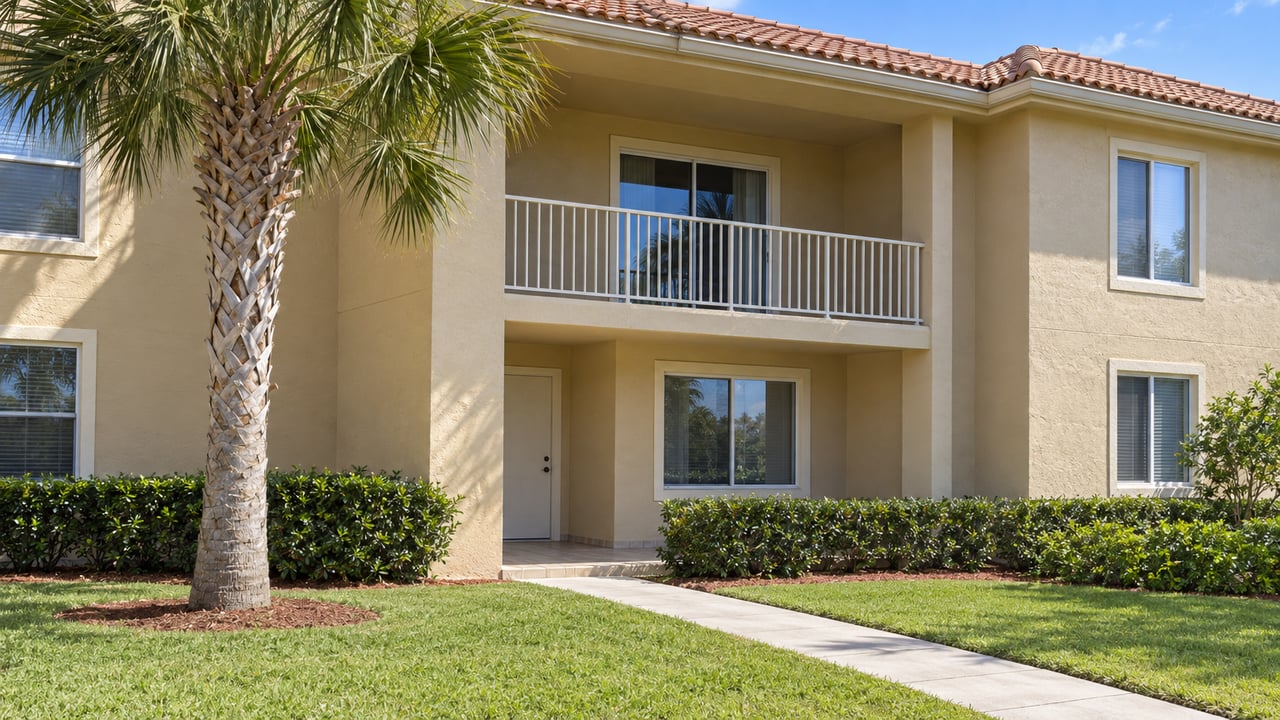
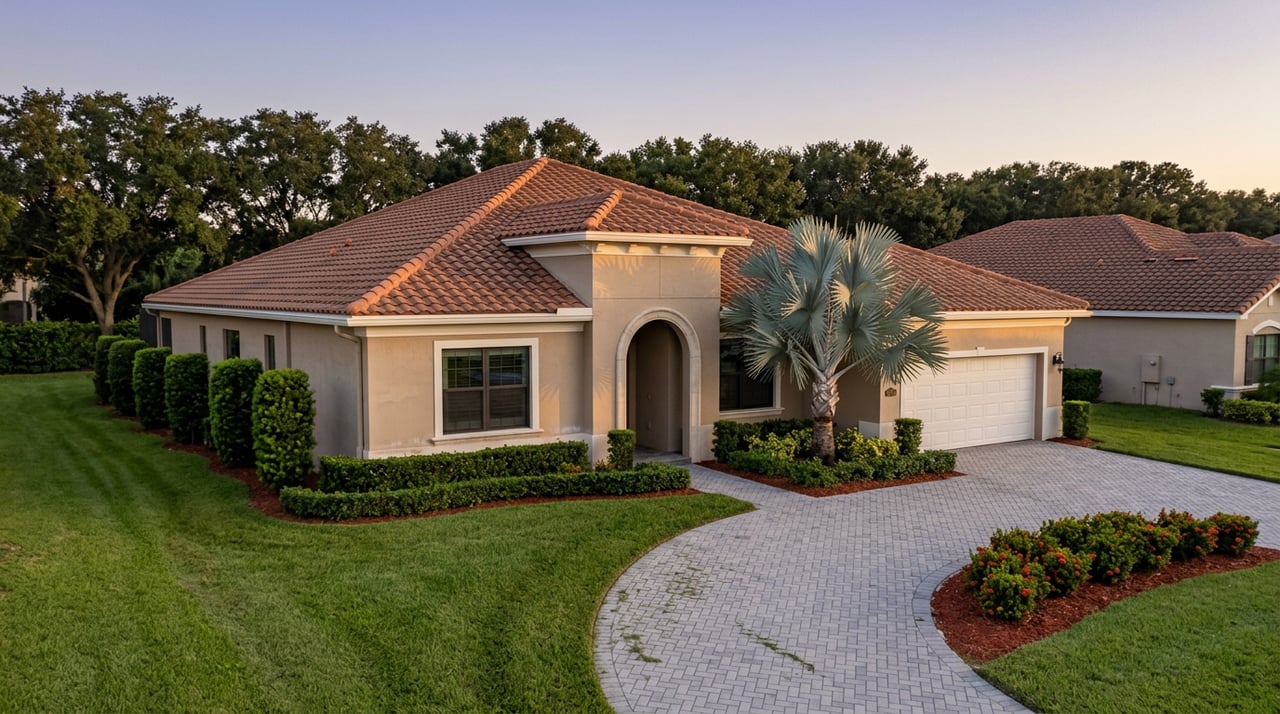
That variety matters if you are buying a second home. Some buyers want a smaller, simpler property they can lock up and leave. Others want extra space for guests, longer stays, or a future full-time move. PGA Village can appeal to both, depending on the home type and sub-association.
The resident handbook specifically notes that both year-round and seasonal owners live in PGA Village. It also describes smaller condos and townhomes as suitable for couples or seasonal residents. That is an important detail if you want a neighborhood where part-time ownership is already part of the rhythm of daily life.
For many buyers, that creates peace of mind. You are not trying to force a seasonal lifestyle into a community that is designed only for full-time occupancy. Instead, you are considering a place where your ownership pattern may already align with how others use their homes.
One of the biggest reasons snowbirds look at PGA Village is convenience. The handbook says the community has four gated entrances staffed 24/7, one transponder-access gate, pre-registered visitor access, and landscaping and lawn mowing handled by sub-associations.
If you plan to spend part of the year elsewhere, those details can make ownership feel more manageable. You still need to verify what your specific sub-association covers, but the overall structure supports a lower-maintenance lifestyle than many stand-alone neighborhoods.
A second home should be easy to enjoy the moment you arrive. In PGA Village, the appeal is not only the home itself but also the mix of on-site recreation, social spaces, and nearby Treasure Coast attractions.
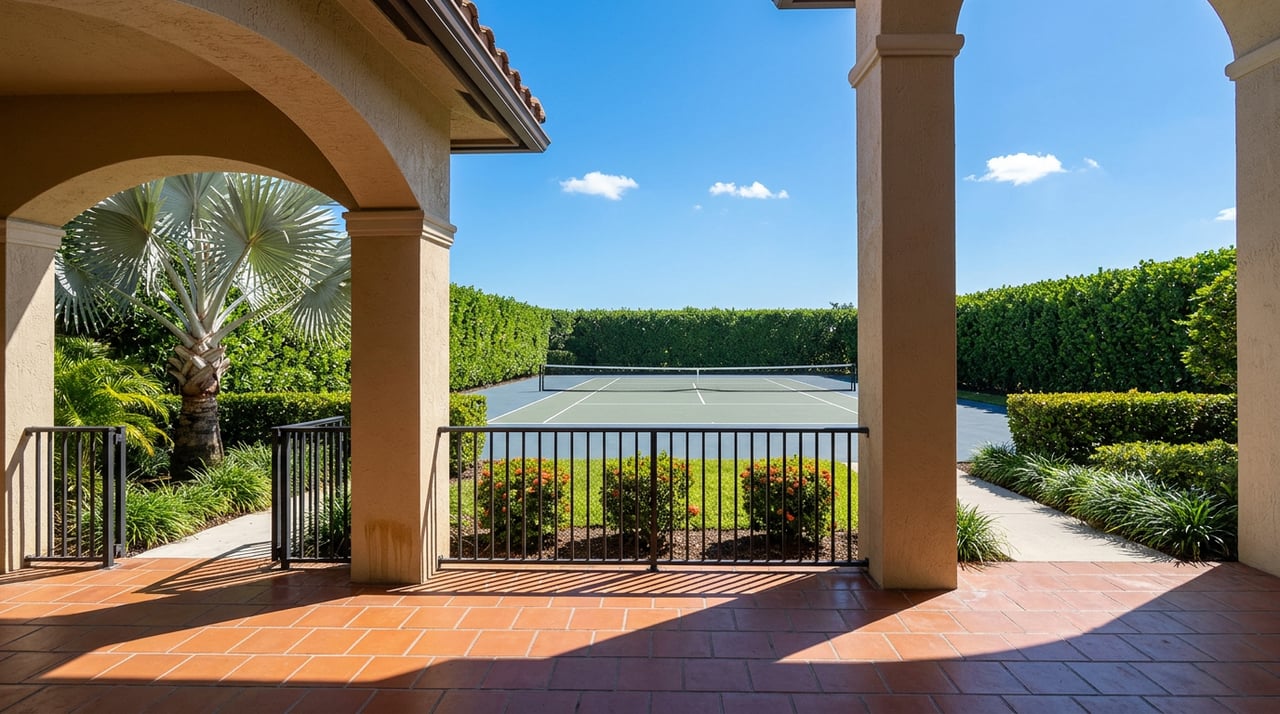
The Island Club serves as a central hub for association events, meetings, and amenities. It includes a fitness center, heated pool with lap lanes, four pickleball courts, a tennis court, a recreational field, and multi-purpose rooms.
Reservable spaces include a ballroom, arts and crafts room, card room, conference room, Island Room, and billiards room. For seasonal owners, that can add a strong sense of structure and activity during your time in residence. It also gives you more ways to enjoy the community beyond your own front door.
If golf is a major reason you are considering PGA Village, the lifestyle here is especially relevant. PGA Golf Club highlights 54 holes of championship golf on the same campus, including the Wanamaker, Ryder, and Dye courses, plus a six-hole Family Short Course.
The club also offers private lessons, clinics, junior programs, and golf schools. That means golf is woven into the community experience rather than treated as a nice extra. Whether you play regularly or simply like living near that setting, it shapes the overall feel of the area.
This is an important point for buyers. The available source material does not indicate that golf club membership is automatic with homeownership. PGA Golf Club describes a membership application process and lists member benefits separately.
Those benefits include no assessments or food-and-beverage minimums, annual memberships, a complimentary practice facility with TopTracer technology, tee times up to seven days in advance, social and golf events, private dining, a wine club, and discounts. If membership matters to you, it is smart to confirm the current options, process, and costs before you move forward.
Even if golf is a big draw, most second-home buyers want a location that offers more than one activity. PGA Village benefits from its broader setting in Port St. Lucie and the Treasure Coast.
PGA Golf Club’s area overview notes that the region offers beaches, fishing, watersports, eco-tours, horseback riding on the beach, kayaking through mangrove forests, the National Navy SEAL Museum, and spring-training baseball at Clover Park. It also highlights 21 miles of beaches on Hutchinson Island.
That broader menu of activities can be a major advantage if you host visiting family or friends. It also helps if your household has different interests. One person may be drawn to golf, while another wants beach days, local events, or outdoor recreation.
The City of Port St. Lucie says the city covers 120 square miles on Florida’s east coast and has more than 260,000 residents. It is about 50 miles north of West Palm Beach and roughly halfway between Miami and Orlando.
For snowbirds, that location can make the area feel both convenient and connected. You can enjoy a residential setting while still having access to a larger regional network for travel, appointments, events, and visiting guests.
The city reports average temperatures ranging from 64 degrees in February to 82 degrees in August. That climate is one reason seasonal residents are drawn to this part of Florida in the first place.
The city also highlights health-care resources such as Cleveland Clinic Martin Health, HCA Florida St. Lucie Hospital, and the St. Lucie County Council on Aging. For many second-home buyers, access to day-to-day services is just as important as amenities.
A beautiful home and great amenities are only part of the decision. Snowbird buyers should also think carefully about taxes, travel, seasonal timing, and community rules.
Florida property tax rules say a homestead requires a permanent home with the present intention of living there indefinitely. The rules also state that one person may claim only one homestead exemption.
For many second-home and snowbird buyers, that means a PGA Village property may be treated as non-homestead unless it becomes your actual permanent residence. This is an important issue to understand early because it can affect your ownership costs and long-term planning.
NOAA says Atlantic hurricane season runs from June 1 through November 30, and storms can happen outside that period as well. If you will be away from Florida for extended stretches, storm planning should be part of your buying decision.
Think about how you want to handle departure timing, storm preparation, and property check-ins while you are gone. These are not reasons to avoid owning a second home here, but they are practical parts of responsible seasonal ownership.
PGA Golf Club says the community is about 50 minutes north of Palm Beach International Airport, located off Exit 121 on Interstate 95 in Port St. Lucie, and less than two hours from Orlando and Miami.
That kind of access matters more than many buyers expect. It can make arrival days easier, simplify guest visits, and reduce the friction of short stays throughout the year.
One of the most important takeaways for buyers is this: do not assume every property in PGA Village works the same way. The resident handbook says the community includes 35 sub-associations, and the TownSq portal includes dedicated sections for governing documents, amenities, sales and leasing, and HOA information.
That means dues, maintenance coverage, guest procedures, and other ownership details can vary. A condo, villa, or single-family home may offer a very different ownership experience even within the same broader community.
When you narrow your options, it helps to compare each property with a checklist like this:
These details can shape your day-to-day experience just as much as square footage or finishes.
PGA Village can be a strong fit if you want a golf-centered setting, controlled access, a range of home styles, and a community structure that already includes seasonal residents. It can also work well if you value low-maintenance living and want easy access to both neighborhood amenities and the wider Treasure Coast.
The right fit depends on how you plan to use the home. Some buyers want a compact winter retreat. Others want a property that works now as a second home and later as a full-time residence. In either case, the best decision usually comes from matching the right sub-association and home type to your actual lifestyle.
If you are comparing homes in PGA Village and want local guidance on seasonal-use considerations, HOA differences, and lifestyle fit, Annmarie Napolitano can help you sort through the details with a clear, neighborhood-focused approach.
Stay up to date on the latest real estate trends.
More than transactions—we offer experienced leadership, collaborative support, and a commitment to lasting relationships rooted in trust and local expertise.