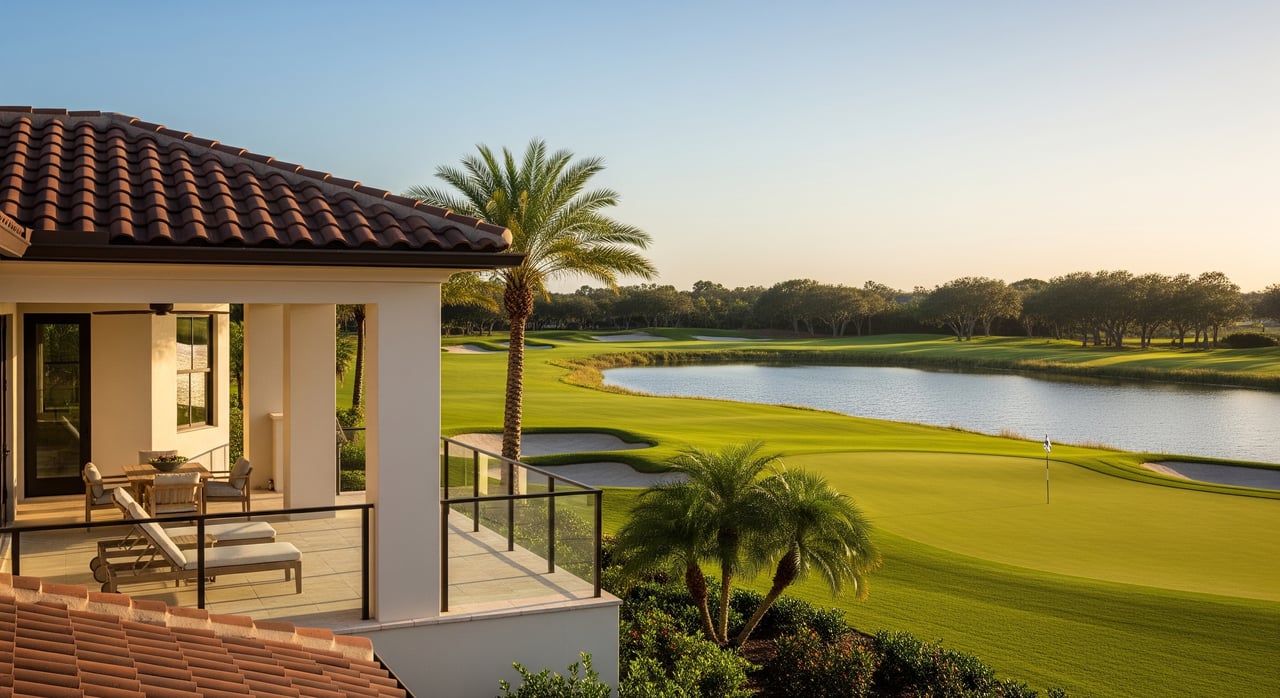
What It’s Like To Live In PGA Village
February 5, 2026
February 5, 2026
Are you picturing mornings on tree‑lined fairways and afternoons by a resort‑style pool? If you are exploring golf community living on the Treasure Coast, PGA Village in Port St. Lucie might already be on your radar. You want a clear feel for the homes, the lifestyle, and the practical details before you decide. This guide walks you through what life looks like day to day, the housing mix, fees and ownership basics, commute and conveniences, and who tends to thrive here. Let’s dive in.
PGA Village sits within Port St. Lucie, part of Florida’s Treasure Coast. The setting blends manicured golf landscapes with preserves and waterways, giving you a suburban feel with plenty of green space. The area centers on the PGA Golf Club and a collection of gated neighborhoods with their own amenities.
The community is known for a resort‑style, golf‑centric lifestyle. Many residents are active adults, retirees, seasonal owners, and golfers who want easy access to instruction, events, and social clubs. You will find both strictly gated, HOA‑managed sections and nearby neighborhoods that feel more conventional but still offer proximity to the club.
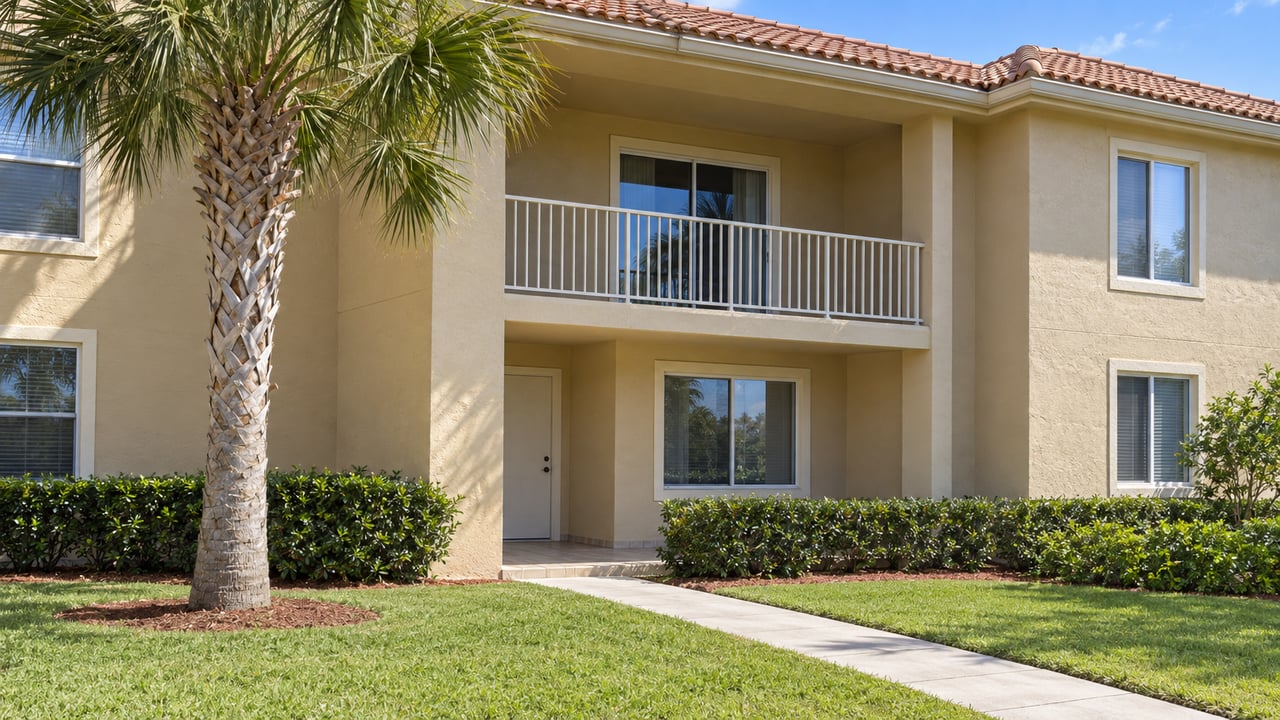
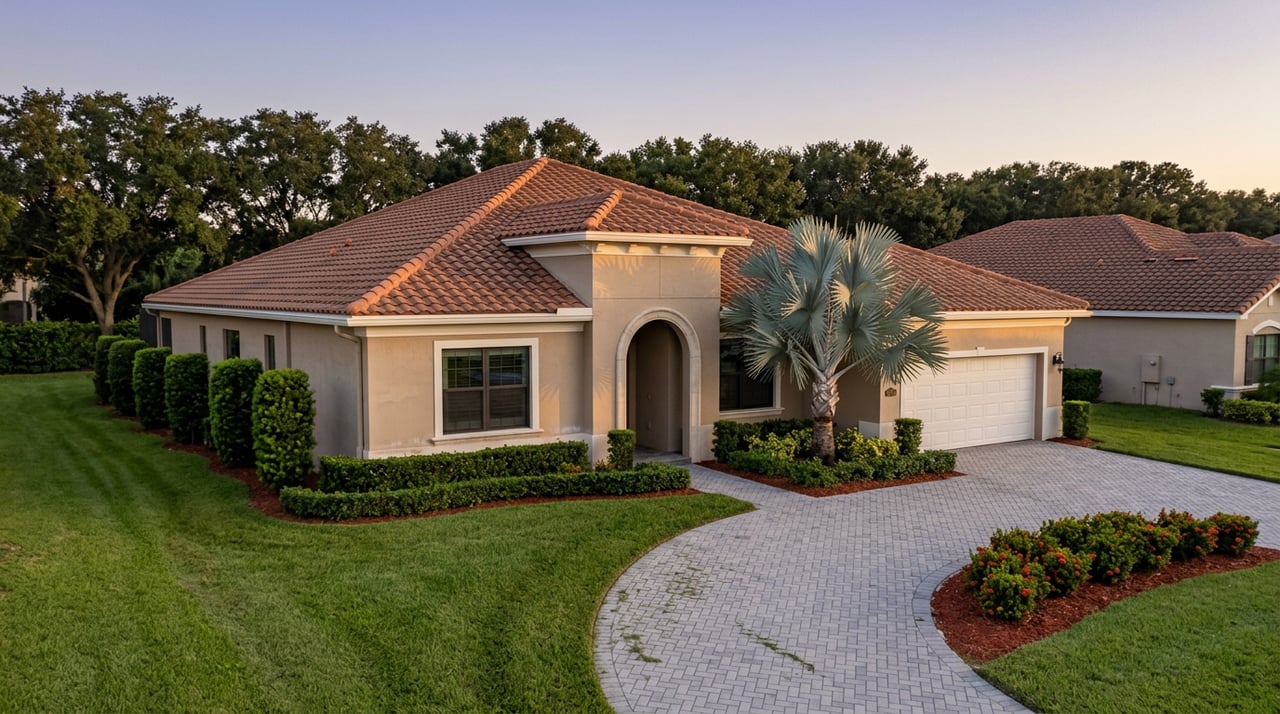
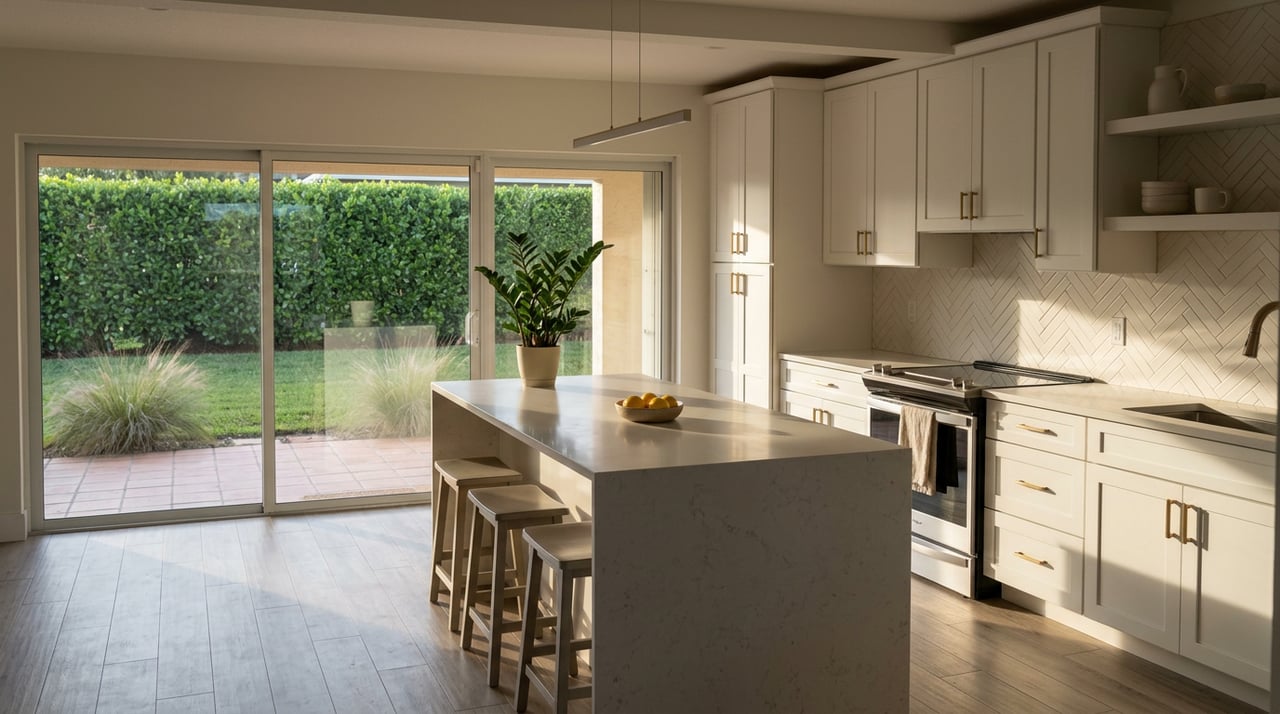
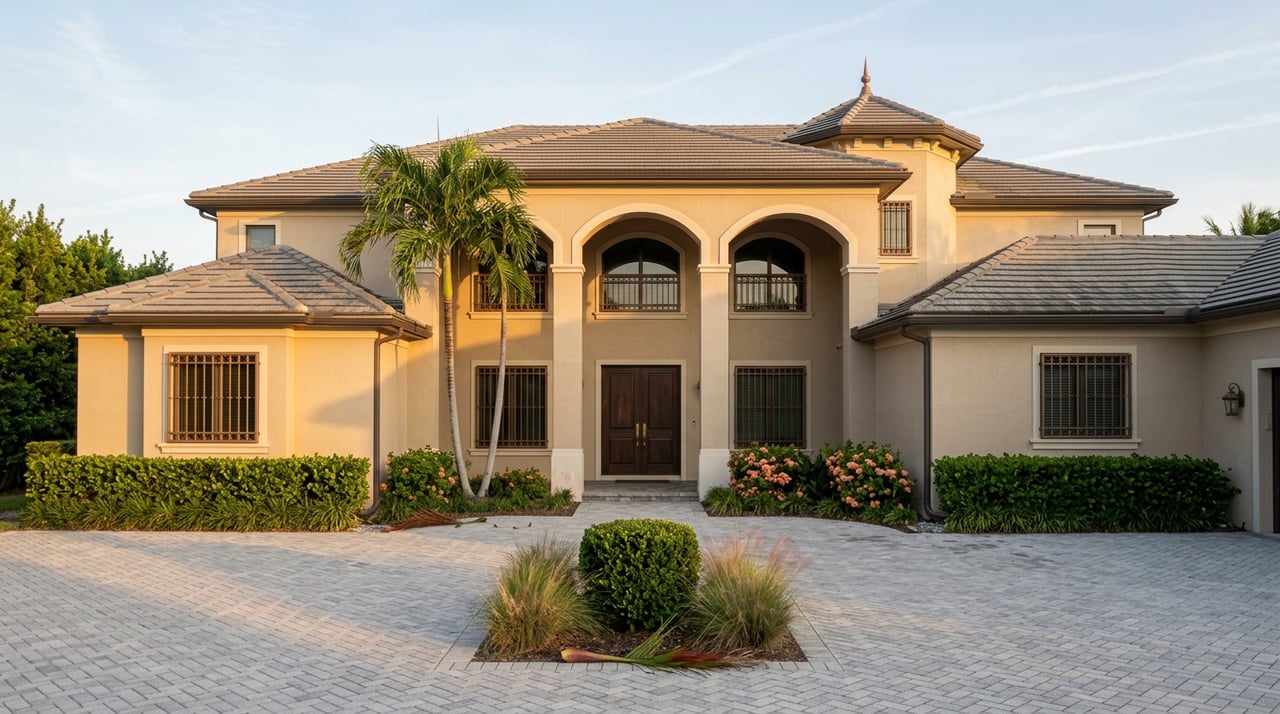
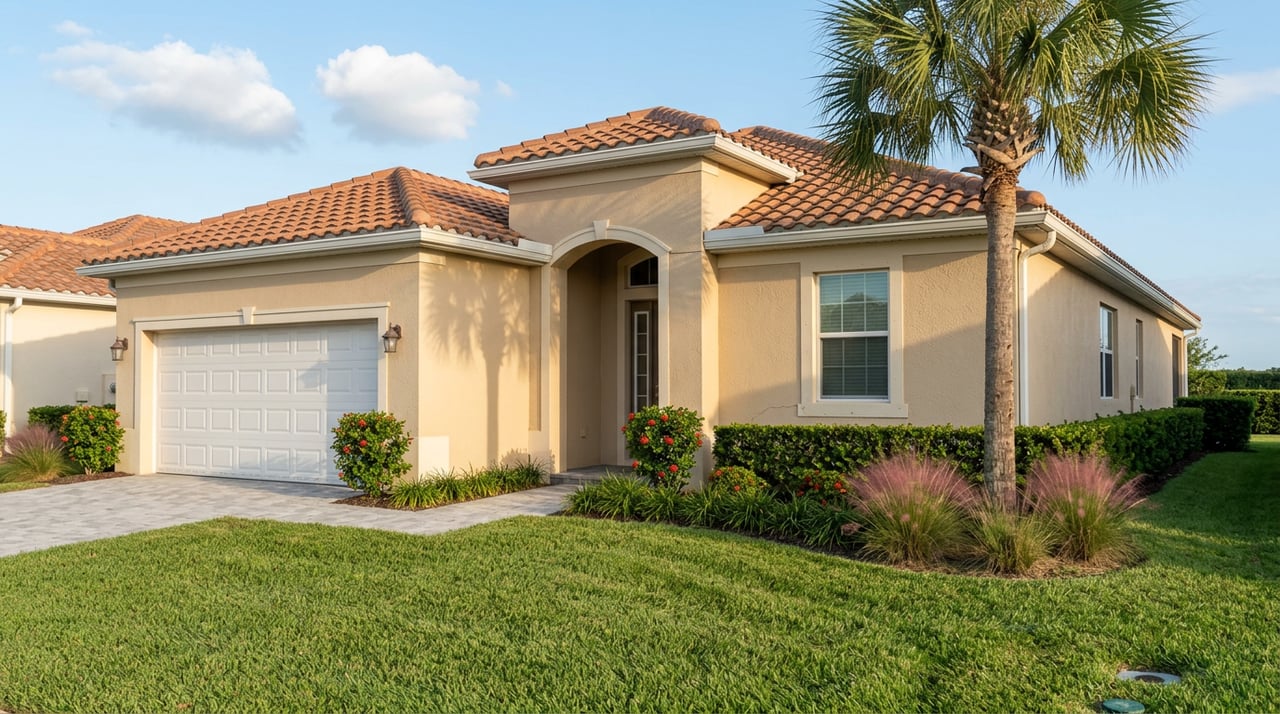
Homes here are designed for easy, active living. Expect many single‑level layouts, open living areas, and outdoor spaces that make the most of Florida’s climate. Garage parking is typical, and many homes cater to lock‑and‑leave convenience for seasonal residents.
Most neighborhoods are governed by homeowners associations (HOAs) with deed restrictions. Some sections may also use Community Development Districts (CDDs) to fund infrastructure. Fees, rules, and coverage vary by sub‑neighborhood. You should review covenants, budgets, and fee schedules for the exact tract you are considering.
HOA fees commonly support common‑area maintenance and community amenities. CDD assessments, if present, are separate from HOA dues. Rental policies can vary by community, so confirm whether seasonal or long‑term leasing is allowed and if there are minimum lease terms or approval processes. Always ask for the latest governing documents before you make an offer.
The PGA Golf Club anchors daily life for many residents. You will find multiple courses, robust practice facilities, and a performance center focused on instruction. Programming often includes clinics, lessons for all skill levels, and a calendar of events that attracts both serious players and social golfers.
Amenity access depends on your neighborhood and any club membership you choose to purchase. Some benefits may be included through your HOA, while golf privileges typically require a separate membership. Be clear on what your dues cover, what is optional, and what level of access fits your goals.
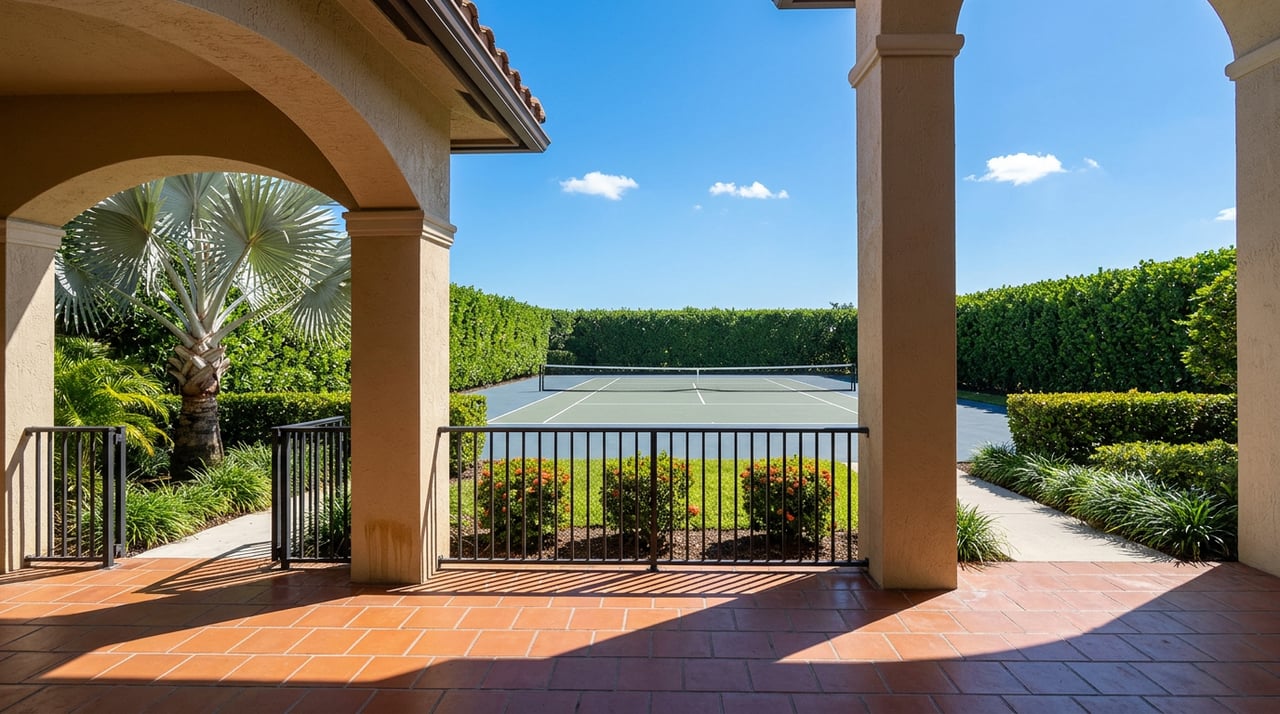
PGA Village‑area neighborhoods offer a resort‑style amenity mix tailored to active living:
You can expect a full social calendar. Many residents structure their day around morning rounds, fitness classes, and time at the pool. Evenings often include dinners at the clubhouse or local restaurants, casual events, and neighbor meetups. If you enjoy organized activities and easy access to wellness and recreation, the lifestyle fits well.
Daily life here is car‑dependent. You will drive for errands, dining, and appointments, though most essentials are within a short trip in Port St. Lucie. Larger shopping and medical services are common in the Tradition area and along major corridors.
This community tends to fit a few buyer profiles:
Homes in PGA Village are served by St. Lucie Public Schools. Exact school assignments depend on your address, so verify zoning with the district or the county property appraiser. Private and parochial options are available across the broader Port St. Lucie and Treasure Coast area.
Beyond your mortgage, plan for recurring costs that come with golf community living in Florida:
Keep in mind that HOA and CDD fees vary by sub‑neighborhood. Before you go under contract, request current budgets, reserve studies, and recent meeting minutes to understand fee trends and upcoming projects.
Eastern Florida includes mapped flood zones, and parts of Port St. Lucie may require flood insurance. Ask for a flood zone determination from a licensed surveyor or your title provider and obtain insurance quotes early. Hurricane season runs June through November, so features like impact glass and roof tie‑downs can be important for safety and premiums. Your insurance agent can help you evaluate coverage and mitigation credits.
PGA Village offers a clear lifestyle promise. To make sure it matches your priorities, consider both benefits and boundaries.
If you want golf at your doorstep, amenities that support active living, and the convenience of managed neighborhoods, PGA Village delivers a compelling lifestyle in Port St. Lucie. Take time to match the right sub‑community, fee structure, and membership level to your goals. With the right guidance, you can choose a home that fits your day‑to‑day and your long‑term plans.
Ready to see neighborhoods, compare fees, and tour homes that fit your wish list? Connect with Annmarie Napolitano and Team Napolitano for local guidance tailored to PGA Village.
Stay up to date on the latest real estate trends.
More than transactions—we offer experienced leadership, collaborative support, and a commitment to lasting relationships rooted in trust and local expertise.