Why Florida's New Condo Inspection Law Skips Most of PGA Village
October 1, 2026
October 1, 2026
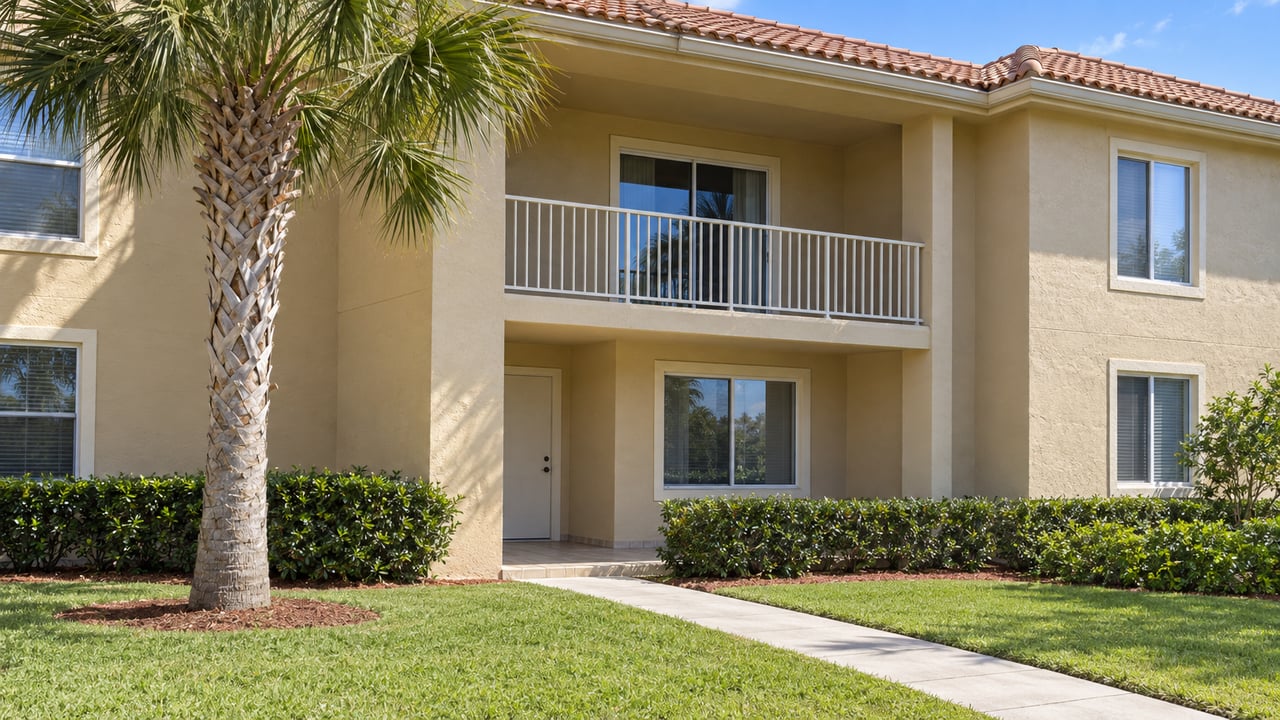
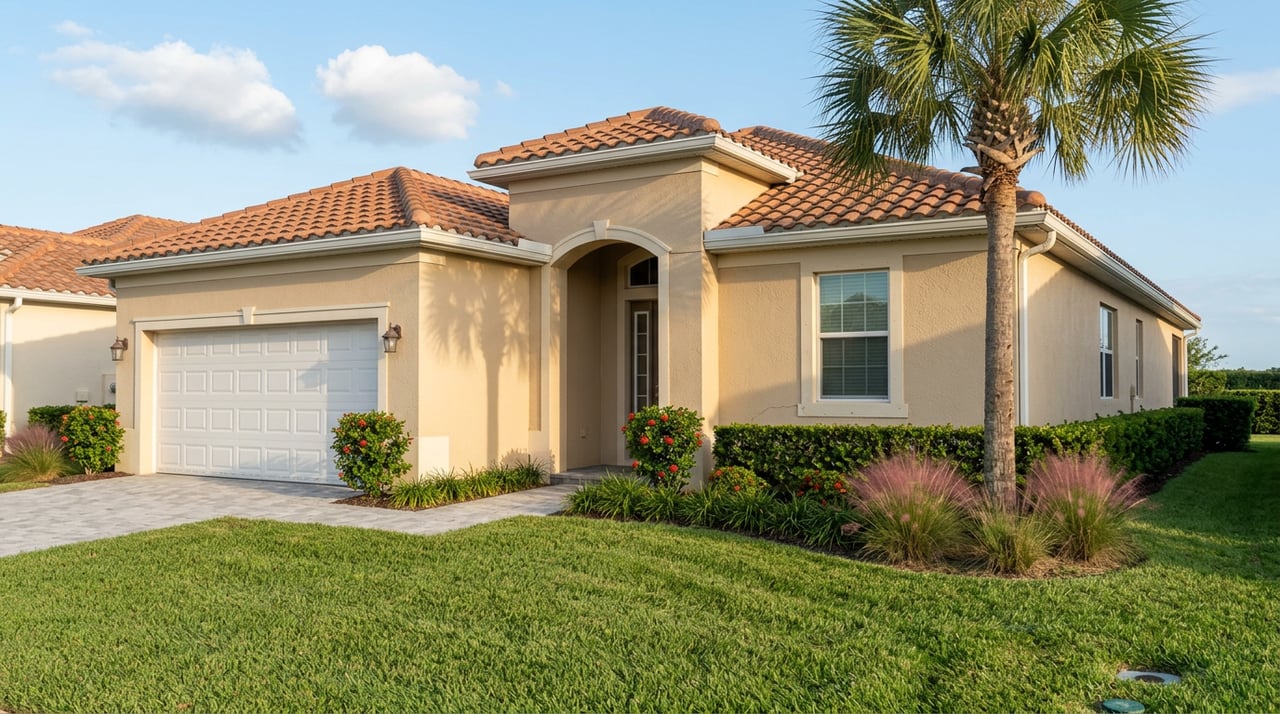
Scroll through active listings across Castle Pines, Torrey Pines, Golf Villas II, and Pine Creek Townhomes and a pattern shows up in almost every description. Second floor. Ground floor. Single-level. Single-story. None of them say third floor, because in PGA Village's condo and villa stock, there generally isn't one.
That detail is easy to skip past when you're comparing kitchens and lanai views. It turns out to be the most consequential fact in the listing, because Florida's post-Surfside condo safety laws, the ones generating six-figure special assessment headlines across the state in 2026, are written around a specific trigger: building height. And PGA Village's garden-style buildings appear to sit just under it.
After the 2021 collapse of Champlain Towers South in Surfside, which killed 98 people, the Florida legislature passed SB 4-D in 2022 to require structural safety reviews for aging condominium buildings statewide. Lawmakers refined it with SB 154 in 2023, added governance and transparency rules through HB 1021 in 2024, and clarified funding mechanics with HB 913 in 2025.
Two requirements came out of that stack of legislation. A milestone inspection is a structural review performed by a licensed engineer or architect, due by December 31 of the year a qualifying building turns 30, or 25 if it sits within three miles of the coast, and every 10 years after that. A Structural Integrity Reserve Study, or SIRS, is the financial companion: a mandated reserve funding plan for structural components that associations can no longer skip or underfund once it applies to them.
Both requirements share the same threshold, and it's not subtle. According to St. Lucie County's own building department, milestone inspections apply to condominium and cooperative buildings that are three stories or taller, full stop. Single-family homes, duplexes, and triplexes with three or fewer habitable stories are exempt outright. The county even maintains a public dashboard specifically tracking condos three stories and above, because that height line is the entire basis for who gets a letter and who doesn't.
The financial stakes behind that letter are real. A July 2026 report from the legislature's Office of Program Policy Analysis and Government Accountability found that St. Lucie County had three buildings deemed unsafe or uninhabitable after phase two inspections in 2024, all of which were vacated. Palm Beach, Broward, and Miami-Dade counties each reported between 218 and 543 buildings requiring the more intensive phase two review that year. This is not a hypothetical law. It has already emptied buildings.
None of that changes the fact that the trigger is height, and PGA Village's condominiums read as low-rise across the board. Castle Pines, whose homeowners association was established in 1999 and now includes Castle Pines Townhomes I and II along with Castle Pines Condominiums, is consistently marketed by floor level, not by building number, because there's rarely more than one to climb past. Golf Villas II, Pine Creek Townhomes, Willow Pines, and Torrey Pines follow the same pattern. Sabal Creek's estate homes and the single-family sections throughout the Village are exempt from this entire framework regardless of height, since the milestone and SIRS requirements only ever applied to condominium and cooperative ownership structures in the first place.
If PGA Village's condo buildings genuinely top out at two stories, as their own listings consistently describe, the milestone inspection and SIRS mandates that are reshaping condo boards from Miami to Vero Beach simply do not reach them. That is worth saying plainly to anyone shopping a Castle Pines unit while reading news about six-figure assessments in high-rise buildings an hour south. The law was built for a different kind of building.
One caveat is worth naming honestly. PGA Village Verano, the newer section built by Kolter Homes, is still adding inventory. SIRS is triggered by a building's height, not its age, so a brand-new three-story condominium building would still need one on file. Whether any structure in Verano or elsewhere in the Village crosses that threshold is a fair question for a buyer to ask directly, rather than assume either way.
Falling outside the state's SIRS and milestone mandate does not mean a PGA Village condo building has no reserve obligations at all. It means those obligations run through ordinary association rules instead of the newer, stricter statute.
| Milestone inspection & SIRS | Ordinary reserve funding | |
|---|---|---|
| Applies to | Condominium or cooperative buildings three or more habitable stories, once they reach 25 to 30 years of age | Any association's common-element reserves, regardless of building height |
| Can owners vote to waive it | No, once the building qualifies | Yes, by owner vote, unless the association's governing documents say otherwise |
| Who enforces it | The local building department, with phase one and phase two reporting deadlines and potential vacate orders | The association's own board and budget process |
A two-story condominium building in PGA Village is still a Chapter 718 condominium association for every other purpose. It still budgets for roofs, painting, paving, and pool equipment. Its board can still bring a reserve item to an owner vote and decide to underfund it for a year, the way associations across Florida did routinely before Surfside changed the conversation for taller buildings. The difference is that nothing in state law forces that decision the way it now forces it for a mid-rise or high-rise board.
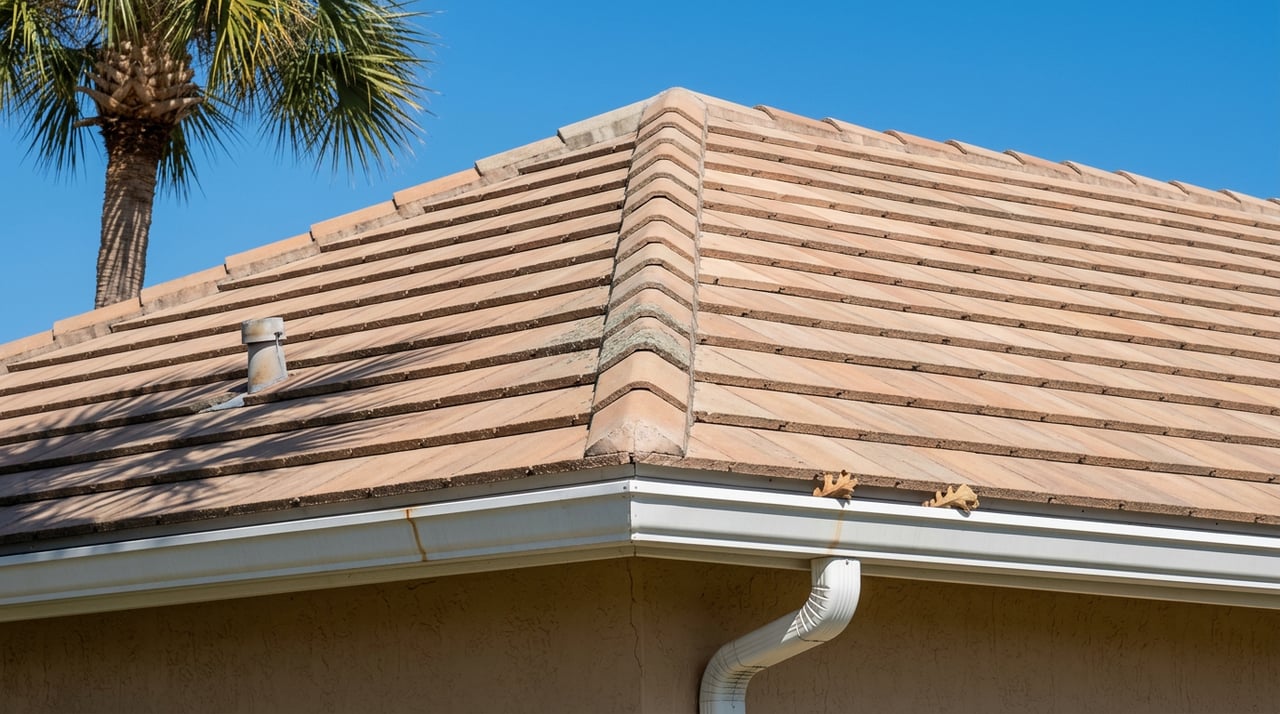
This isn't abstract. One Castle Pines condominium listing currently notes that the association will soon be replacing all roofs with standing-seam metal roofs and repainting the buildings. That is exactly the kind of capital project a SIRS is designed to force onto a mandatory funding schedule in a taller building. Here, it's happening through the ordinary reserve process a two-story condo association has always used, funded and scheduled at the board's discretion rather than a state-mandated timeline.
It's a useful reminder that PGA Village's buildings age and need capital work like any other Florida property. The roofs get old, the stucco needs paint, the pool decks need resurfacing. What's different is the mechanism that pays for it, and how much say the ownership group retains over timing.
The Village's Property Owners Association handles roads, gates, lakes, and the Island Club. It does not handle the reserve funding for any individual condo building, that responsibility sits with each sub-association separately. A buyer or seller working through PGA Village should treat these as distinct questions:
None of this requires legal expertise to ask. It requires knowing that the state's condo safety framework and a two-story PGA Village association's ordinary reserve planning are two different systems, and that a buyer or seller should know which one they're standing in before they sign anything.
Does the milestone inspection law apply to PGA Village's single-family homes? No. The requirement only ever applied to condominium and cooperative buildings, and single-family homes are exempt regardless of height or age.
What about newer construction in Verano? Age-based milestone triggers won't reach new construction for decades. SIRS, however, is triggered by height rather than age, so a three-story building there, if one exists, would still need one on file even if newly built.
If my building is only two stories, does that mean there's no reserve requirement at all? No. Ordinary reserve funding rules still apply through the association's own governing documents and budget votes. What's absent is the state-mandated SIRS structure and the restriction on waiving it.
How do I check the financial health of a specific building's reserves? Request the sub-association's most recent budget and reserve study directly. For qualifying condominiums with 25 or more units, ask about the online document portal now required under HB 1021.
Buying or selling in a specific PGA Village building means understanding which rulebook governs its reserves, not just its clubhouse access or golf course frontage. Team Napolitano can help you pull the right sub-association records before you make an offer or list your unit, so the only surprises left are the ones you'd actually want.
Stay up to date on the latest real estate trends.
More than transactions—we offer experienced leadership, collaborative support, and a commitment to lasting relationships rooted in trust and local expertise.